Teaching English abroad sounds like one of those perfect travel experiences. You spend a few weeks or months in another country, help local students improve their language skills, meet people you would probably never meet as a regular tourist and get to experience everyday life from the inside.
And yes – it can be exactly that.
I volunteered as an English teacher in Thailand and it became one of the most interesting parts of my trip. But I also learned quite quickly that speaking English and teaching English are two completely different things.
Before you sign up for your first teaching project abroad, there are a few things worth knowing.

What to Know Before Volunteering as an English Teacher Abroad
1. Speaking English doesn’t automatically mean you can teach it
This was probably one of the biggest lessons for me.
When you use English every day, many things come naturally. You know that a sentence sounds right, but when a student asks you why it is right, explaining it suddenly becomes much more difficult.
The same applies to pronunciation, grammar or choosing appropriate vocabulary for a student’s level.
Teaching also means knowing how to explain the same thing in different ways, prepare activities, keep students engaged and manage a lesson effectively when your original idea simply doesn’t work.
And believe me, that last one happens.
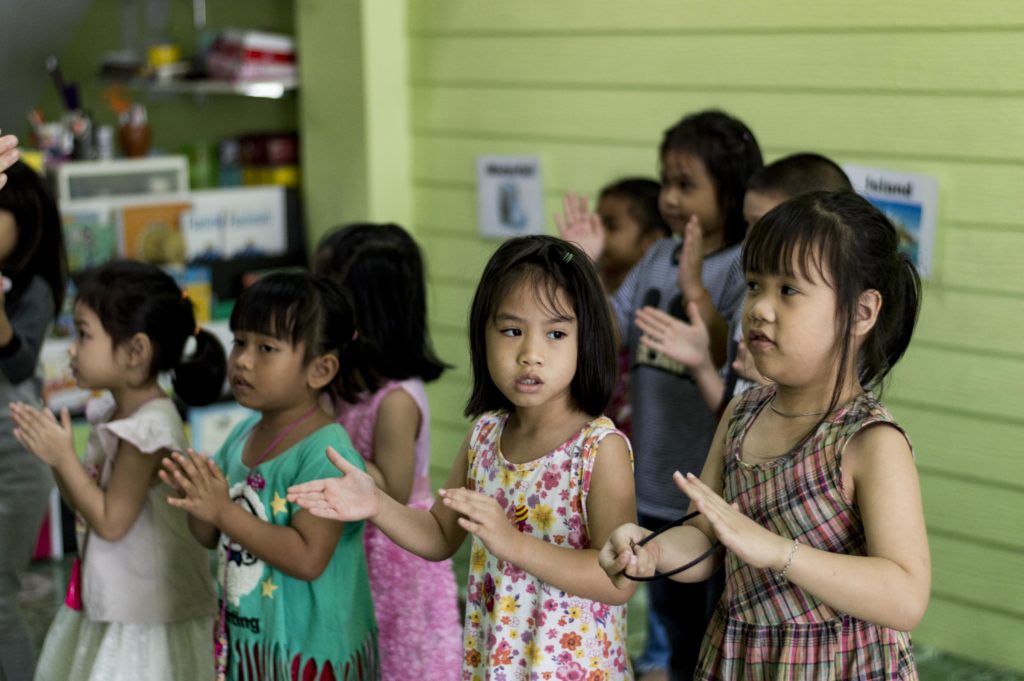
During my volunteering experience in Thailand, I taught both children and adults. The lessons with adults were mostly conversational, while classes with children required much more structure, energy and help from our local hosts. These were two completely different teaching experiences.
If you want to feel better prepared before leaving, completing a TESOL certification can give you a useful foundation in teaching English to non-native speakers. TESOL stands for Teaching English to Speakers of Other Languages and courses typically cover areas such as lesson planning, teaching methods and classroom management.
You don’t necessarily need to turn teaching English into your new career. But even as a volunteer, some basic teaching knowledge can make the experience easier for you – and more valuable for your students.

2. Check what “teaching English” actually means
Don’t assume anything based on a short project description.
Before going to Thailand, I expected that most of my work would involve face-to-face classes with children, with only a few online lessons.
Reality?
Almost exactly the opposite.
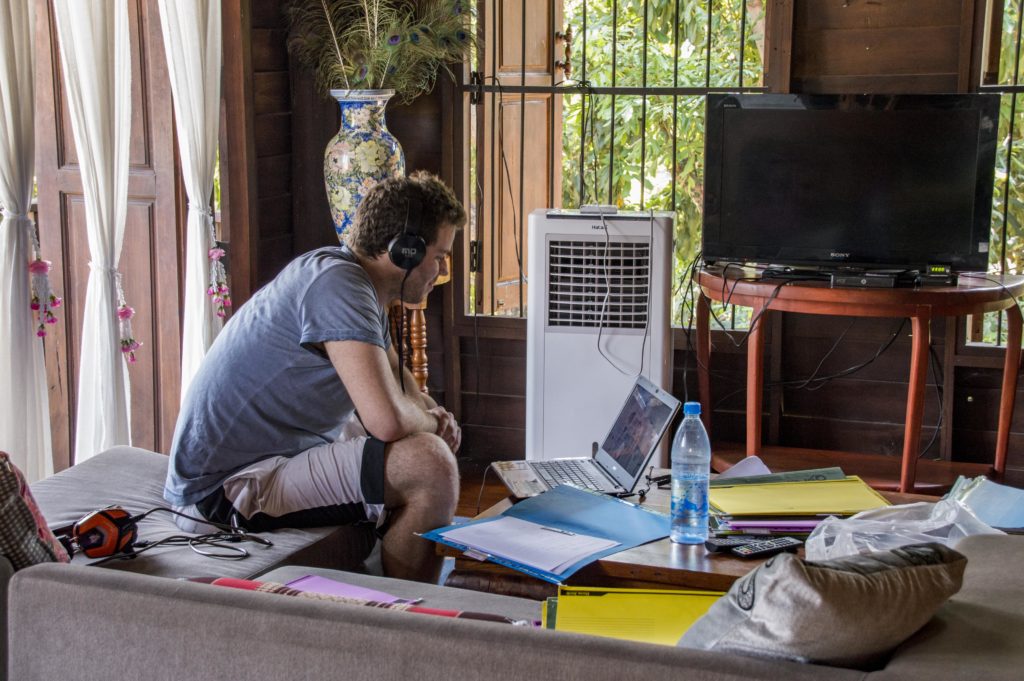
I usually had several 40-minute online lessons with adults every day and only two 1.5-hour classes with children per week.
It turned out to be a positive surprise. Conversations with my adult students became one of my favorite parts of the whole experience. I talked to people of different ages and backgrounds and learned a lot about everyday life in Thailand from them.
But the experience could have been frustrating if I had arrived determined to spend all my time teaching children.
Before accepting a volunteer position, ask specifically:
- Who will you teach – children, teenagers or adults?
- Will you teach groups or individual students?
- How many hours per day and per week?
- Are the classes online or face-to-face?
- Will you receive lesson plans and teaching materials?
- Will another teacher be present?
- What level of English do the students have?
- What exactly is expected from volunteers?
The more specific the answers, the fewer surprises after arrival.
3. Longer projects often make more sense
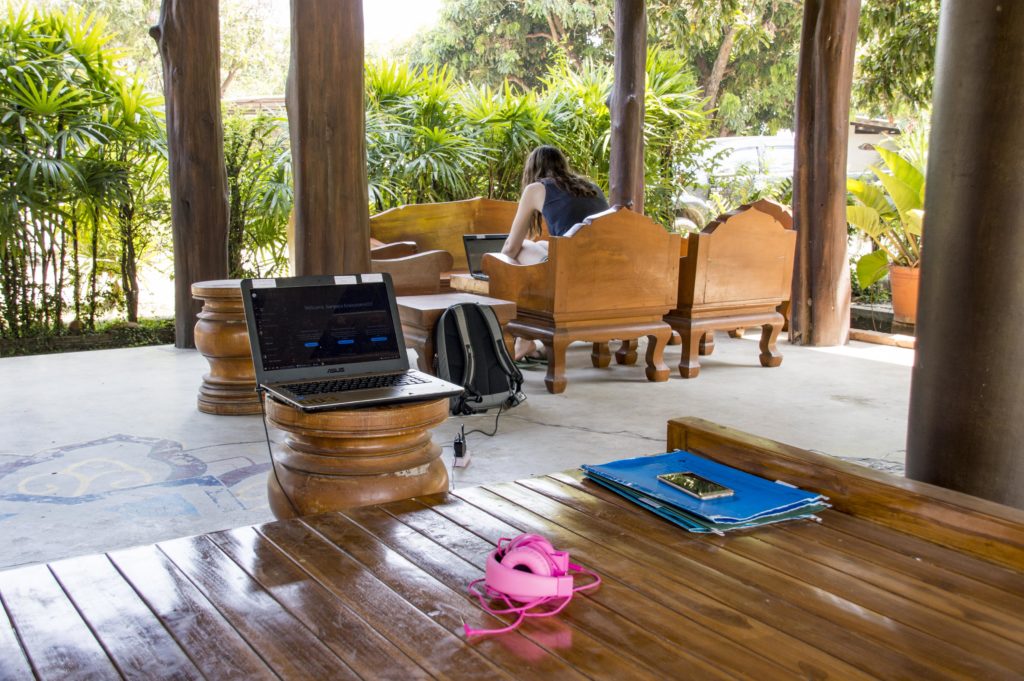
When I was looking for a teaching opportunity in Thailand, finding one wasn’t as easy as I had expected. Some hosts required volunteers to stay for at least three months.
At first, that seemed like a long commitment.
But there is a good reason for it.
Students need some continuity. Imagine getting used to a new teacher, their accent and teaching style only to have them disappear two weeks later and be replaced by someone else.
This is particularly important when teaching children.
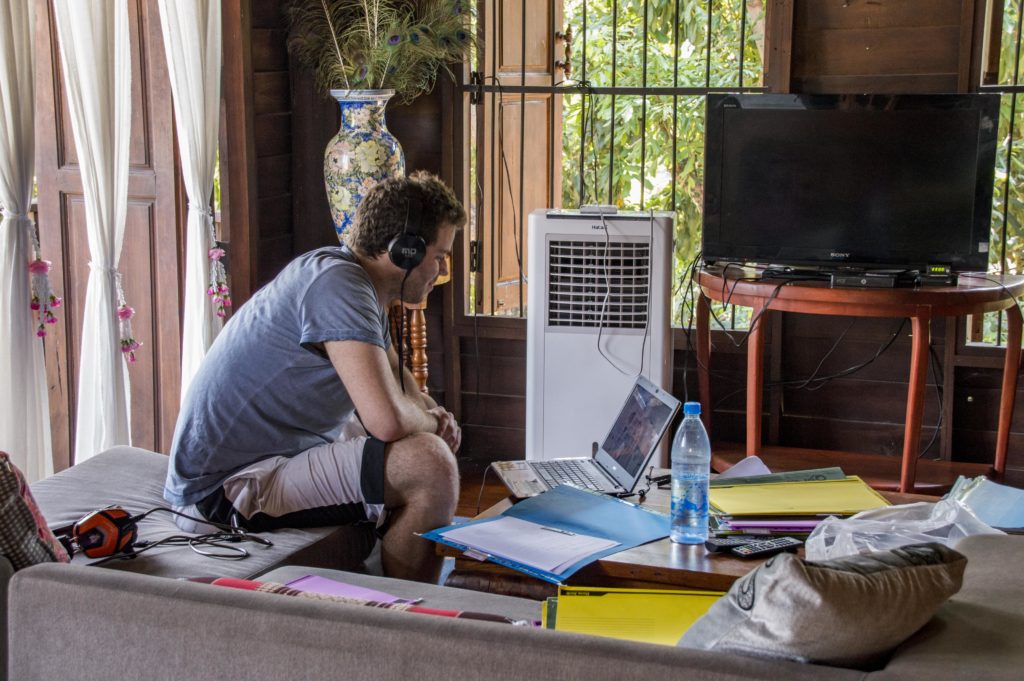
I eventually found a project where I could volunteer for four weeks. Even during that relatively short period, having notes from previous teachers was extremely helpful. Each adult student had a folder explaining their level, expectations and what they had already worked on.
If you only have a week available, teaching might not be the most useful form of volunteering. Look for projects where such a short stay genuinely makes sense rather than choosing teaching simply because it sounds appealing.
4. Your students may have very different goals
Not everybody wants to learn English for the same reason.
Some students want to travel. Others need English for work. Some want to improve their grammar, while others mainly want to overcome their fear of speaking.
My adult students in Thailand often wanted to practice conversation. In many cases, our lessons felt more like chatting with a friend over coffee than traditional classes.
And those conversations were fascinating.
I learned about Thai families, jobs, traditions and everyday routines. I could ask questions I probably wouldn’t have had an opportunity to ask as a tourist.
At the same time, other students had specific gaps they wanted to work on, so I used online resources to prepare exercises for them.
Instead of arriving with one universal lesson plan, find out what your students actually need.
5. Be prepared for communication challenges
Teaching English to someone who speaks very little English can be surprisingly difficult.
And sometimes very funny.
Thai pronunciation gave me plenty of memorable moments. One of my students once told me that he liked eating “fried lie with chicken”.
Fried… what?
After a little detective work, I realized he meant fried rice.
Differences in pronunciation, unfamiliar accents and missing word endings can make even simple conversations challenging at first.
The important thing is patience.
Students may be nervous about making mistakes, especially when speaking with a foreigner. Correcting every single error can quickly destroy their confidence. Sometimes communication and encouraging them to keep talking matter more than achieving perfect grammar.
You will also need to get used to not understanding everything immediately.
That’s part of the experience.

6. Research the organization, not just the destination
A beautiful country doesn’t automatically mean a good volunteer project.
Before committing, find out who organizes the project and how it works. Read reviews from previous volunteers if possible and ask questions about your responsibilities, working hours, accommodation and costs.
Also check what happens after volunteers leave.
Is there a permanent local teacher or coordinator? Is there a curriculum? Are notes about students’ progress passed on to the next person?
A good teaching project should exist primarily because students benefit from it – not because foreign volunteers want an interesting travel experience.
This is especially important when working with children.

7. Ask about accommodation and everyday life
Volunteer accommodation doesn’t need to be luxurious. But you should know what you’re agreeing to.
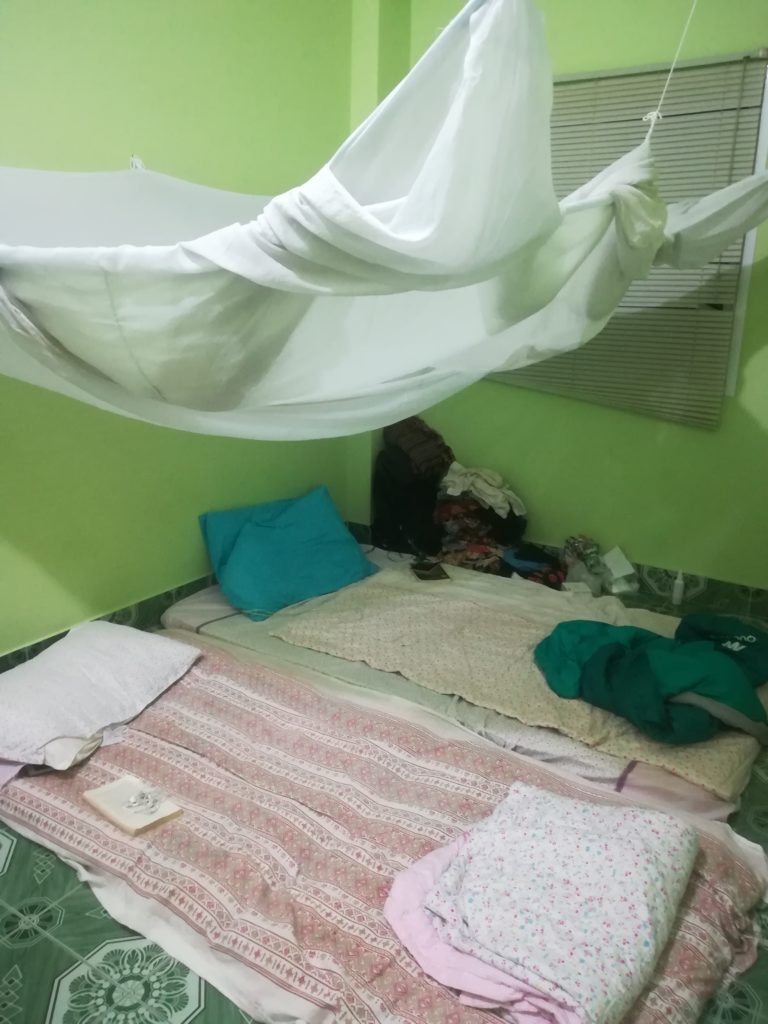
When I arrived at my project in Thailand, my room consisted basically of thin mattresses on the floor. There was no hot water and there were quite a few house rules to remember.
My first impression wasn’t great.
A few days later? I felt completely differently about it. With temperatures above 35°C, I stopped caring about cold showers pretty quickly. The other volunteers and our hosts were wonderful, and the place started to feel like home.
Later, when the school moved closer to Chiang Mai, our accommodation became much more comfortable – including an actual bed and a warm shower – but we were farther from shops and much less independent.
Comfort is only one part of the equation.
Before going, ask about transport, meals, internet access, laundry, private or shared rooms and how easily you can get around on your own. These details have a surprisingly big impact on everyday life.
8. Don’t expect volunteering to feel like a vacation
You are still traveling, but you have responsibilities.
In Thailand, our online classes usually took place in the afternoon and evening. Depending on the number of volunteers, I taught between four and seven 40-minute lessons a day. Twice a week, I also taught children for 1.5 hours.
That meant I couldn’t simply decide at 3 p.m. that I wanted to take a spontaneous trip somewhere.
On the other hand, mornings were usually free. Our host sometimes took us to waterfalls, caves, temples and other places around Uthai Thani that most international tourists never visit.
For me, that was one of the biggest advantages of volunteering.
You travel more slowly, but often experience much more of local life.
9. Learn something about the local culture before you teach
Teaching abroad isn’t only about language.
You’re entering somebody else’s school, community and culture. Classroom behavior that feels completely normal in your country may be unusual somewhere else.
Before arriving, learn at least the basics about local etiquette, communication styles and attitudes toward teachers. Ask your host how classes normally work instead of assuming that your way is the right way.
And listen to your students.
Teaching English in Thailand taught me at least as much about Thailand as it taught my students about English.
That exchange is one of the reasons I find international volunteering so valuable.

10. Think about what happens after you leave
This is perhaps the least exciting question to ask before volunteering – but one of the most important.
What will your students gain from your presence?
If you’re staying only briefly, can you prepare materials for the next teacher? Keep clear notes? Follow an existing curriculum instead of introducing a completely new system?
The goal shouldn’t be to arrive, take a few nice photos with students and leave.
A useful volunteer is part of something bigger.
In my project, the folders maintained for individual adult students made a huge difference. I could see what previous volunteers had covered and continue from there rather than starting from zero.
Simple systems like this can make short-term volunteering much more useful.

Is volunteering as an English teacher abroad worth it?
For me – definitely.
Teaching English in Thailand gave me a perspective on the country that I would never have gained while simply traveling from one attraction to another.
I met people I wouldn’t otherwise have met. I learned about their lives, families and plans. I visited places far outside the usual tourist routes. And I experienced what everyday life in Thailand looked like beyond hotels, restaurants and sightseeing.
It wasn’t always comfortable and it wasn’t exactly what I had imagined before arriving.
That was part of what made it worthwhile.
If you’re considering volunteering as an English teacher abroad, prepare properly, choose the organization carefully and don’t assume that speaking English is all you need. Go there ready to teach – but also ready to listen, adapt and learn.
Chances are you’ll come home having learned at least as much as your students did.
Volunteering in Asia. What is it like to teach English in Thailand?
10 Things To Do In Chiang Mai You Can’t Possibly Miss