Planning a trip to Japan is becoming increasingly popular. Unfortunately, trips organised by travel agencies tend to be quite expensive, so the question comes up: how do you organise a trip to Japan on your own?
Even though the culture and local customs may surprise you, Japan is a country with excellent tourist infrastructure — and you’ll manage just fine. What do you need to remember, and how do you plan a DIY holiday in Japan? That’s exactly what this article is about.
Planning A Trip To Japan – 10 Tips
1 How Much Is A Trip To Japan?
“Before setting off on a journey, you need to gather your team.”
And yes — it applies both to complicated quests in games and to planning a long-haul adventure. Travelling as a group is almost always cheaper than travelling alone and it’s an important part of planning a trip to Japan. Hotels and guesthouses are usually only slightly more expensive for two people than for a single room. On organised tours you often have to pay extra for a single room.
If you don’t have anyone to go with but want to save on accommodation, I recommend capsule hotels or hostels. A quick warning: there aren’t that many capsule hotels for women only.
Below is a list of estimated prices for a trip for 2 people for 10 and 21 days:
| 1 person / 10 days | 2 people / 10 days | 2 people / 21 days | |
| Flights | 700-2000 USD | 1400-4000 USD | 1400-4000 USD |
| Insurance | 100 USD | 200 USD | 300 USD |
| Food | 350 USD | 700 USD | 1300 USD |
| Hotels | 500-1000 USD | 700-1400 USD | 2000-4000 USD |
| Sightseeing | 100-300 USD | 150-600 USD | 300-800 USD |
| Transport | 230-450 USD | 450-900 USD | 900-1700 USD |
| Souvenirs | 140 USD | 280 USD | 280-600 USD |
| TOTAL | 2120-4340 USD | 3880-8080 USD | 6480-12700 USD |
To understand the costs better, start by choosing the attractions you want to see, and checking the prices of hotels and flights for your preferred dates.
2. Japan – When to Go?
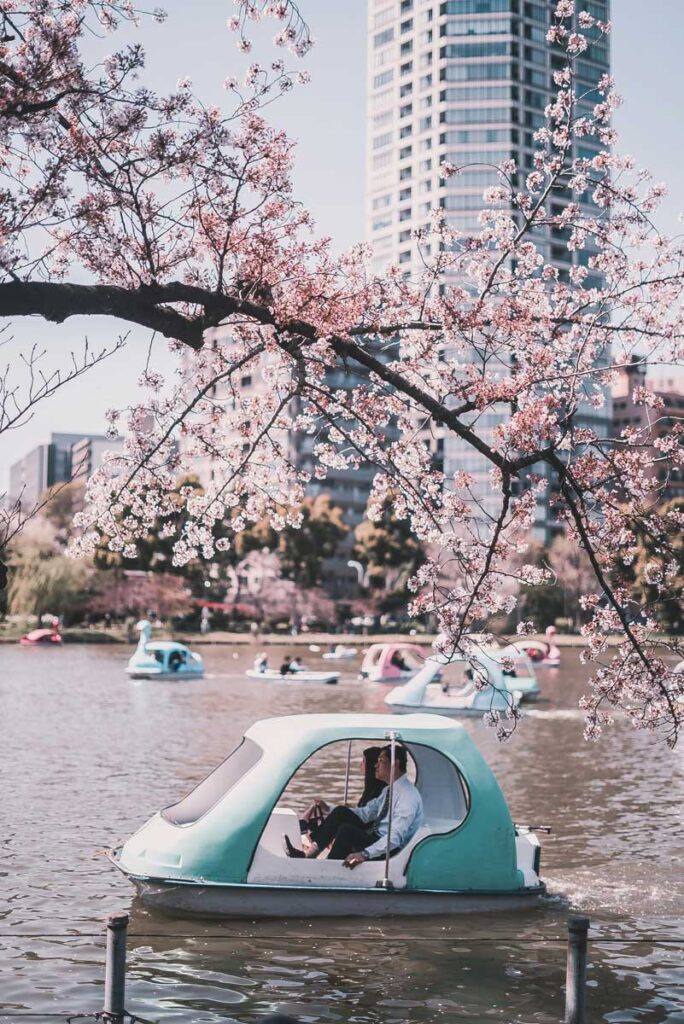
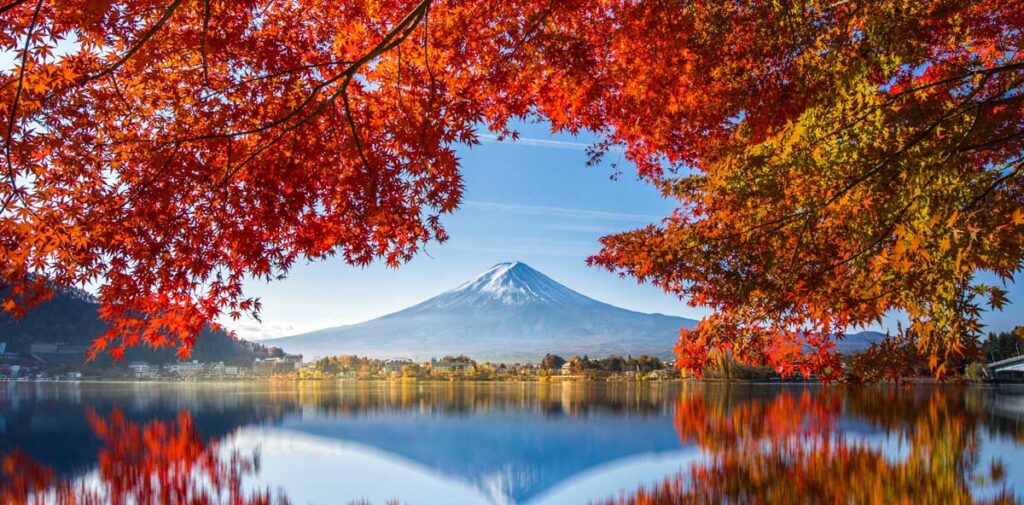
In Japan, just like in Europe, there are four seasons. The climate is very diverse because the country has quite a complex geographical location: it’s very long (over 3,000 km), lies at the meeting point of relatively young tectonic plates, and is largely mountainous. Japan has as many as eight different climate zones.
That’s why while planning a trip to Japan, you should carefully check which zone you want to travel in. If you’re planning to explore Japan from end to end, don’t assume the weather will be the same everywhere. The border regions differ the most — Hokkaido (cold maritime climate) and the Okinawa archipelago (subtropical climate).
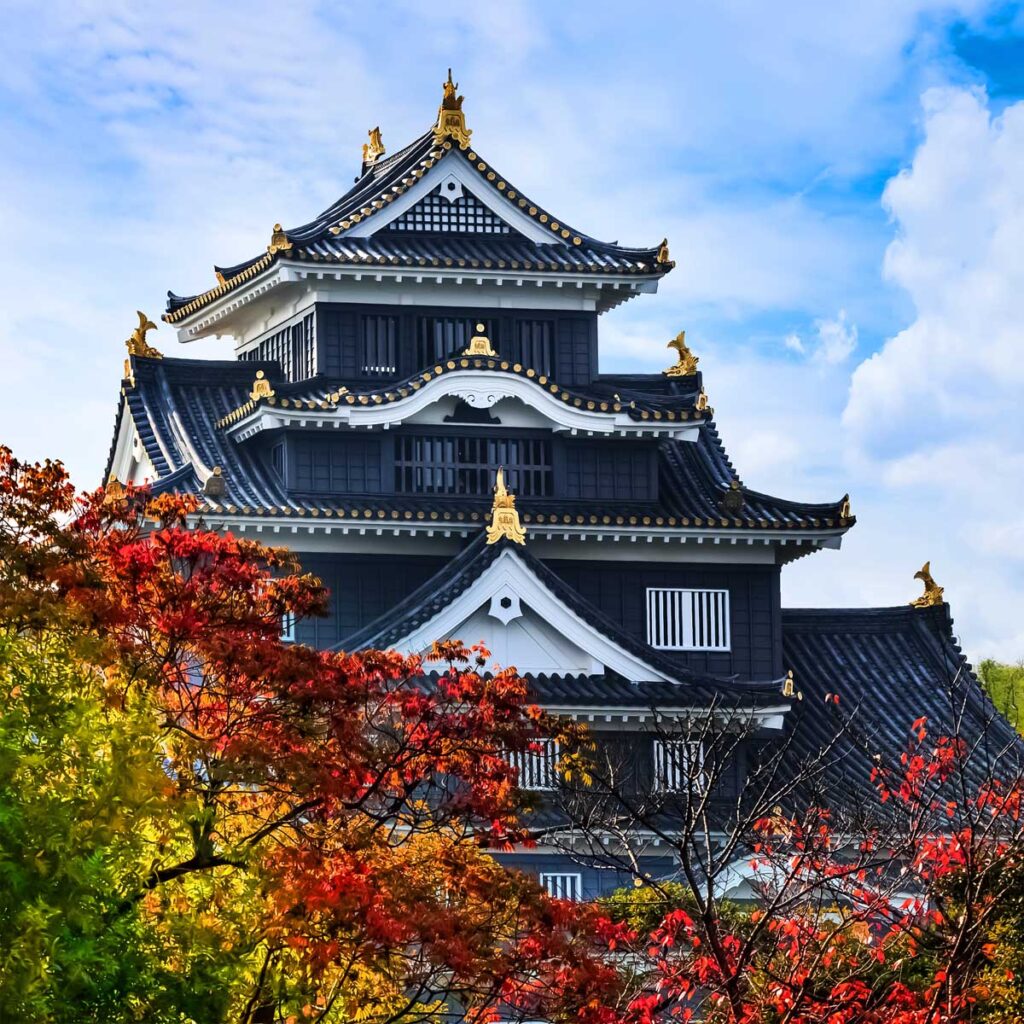
The most pleasant time to explore Japan is definitely autumn (October–November). The sun is gentler than in spring, and because the akisame zensen (the rainy front) has just ended, it’s warm and dry. You can also admire the autumn colours of Japanese maples, momiji. There aren’t too many national holidays, so prices are also lower than in spring. However, places known for beautiful views do attract huge numbers of visitors at this time.
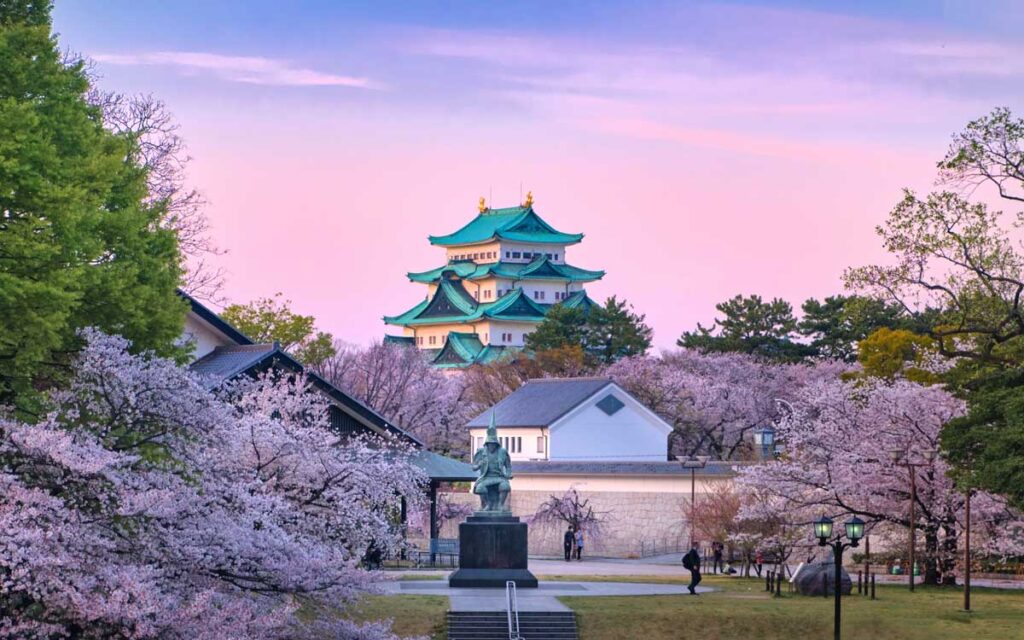
Spring in Japan is the most beautiful season. Many people travel specifically in spring to see, with their own eyes, what all the fuss about cherry blossoms is really about. Unfortunately, you need to time it well — cherry blossoms bloom for quite a short period and can fade after just two weeks. It’s the second most pleasant time to visit Japan. The sun shines strongly and can sometimes feel scorching (sunscreen and a hat are recommended). Cooler and rainy days can also happen, because in Japan both rain and earthquakes can come out of nowhere.
Summer is one of the worst times to travel around Japan. June and July are the rainy season, which means it rains a lot and often. High humidity combined with high temperatures creates difficult conditions for walking and sightseeing, especially for people who aren’t used to it. From mid-August, Obon begins — the Japanese Festival of the Dead — and many Japanese people travel back to their hometowns and go on holiday, which drives up the prices of transport and inns.
3. Visa for a Trip to Japan
When planning a trip to Japan, make sure to check all visa requirements that apply to you.
I am Polish and Polish citizens can stay in Japan for tourism purposes for up to 90 days without a visa. To enter Japan you must:
- have a valid passport,
- correctly fill in the Japanese Disembarkation Card for Foreigners and receive landing permission.
You will receive the form on the plane. It includes a few questions (e.g. whether you have ever been deported from Japan or whether you have drugs with you), and you also need to state how much cash you’re carrying.

4. How to Find a Cheap Flight? Japan Trip Planning
Ideally, start planning a trip to Japan and looking for tickets 12–15 months before your trip — that’s often when “first minute” promotions appear. If your planned departure date is already close, you’ll still find a ticket, but it may be a bit more expensive.
People usually search for flights from Friday to Monday, and that’s when the highest prices tend to show up. I recommend searching for flights between Tuesday and Thursday. Also, use a few different search engines — don’t rely on just one. Remember to clear your browser cache and cookies often, or check prices in incognito mode — prices can be significantly lower.
A typical ticket cost is around 1000–1500 USD, but you can sometimes find a deal for under that.
5. Sightseeing Plan and Entrance Fees – Japan for a Holiday
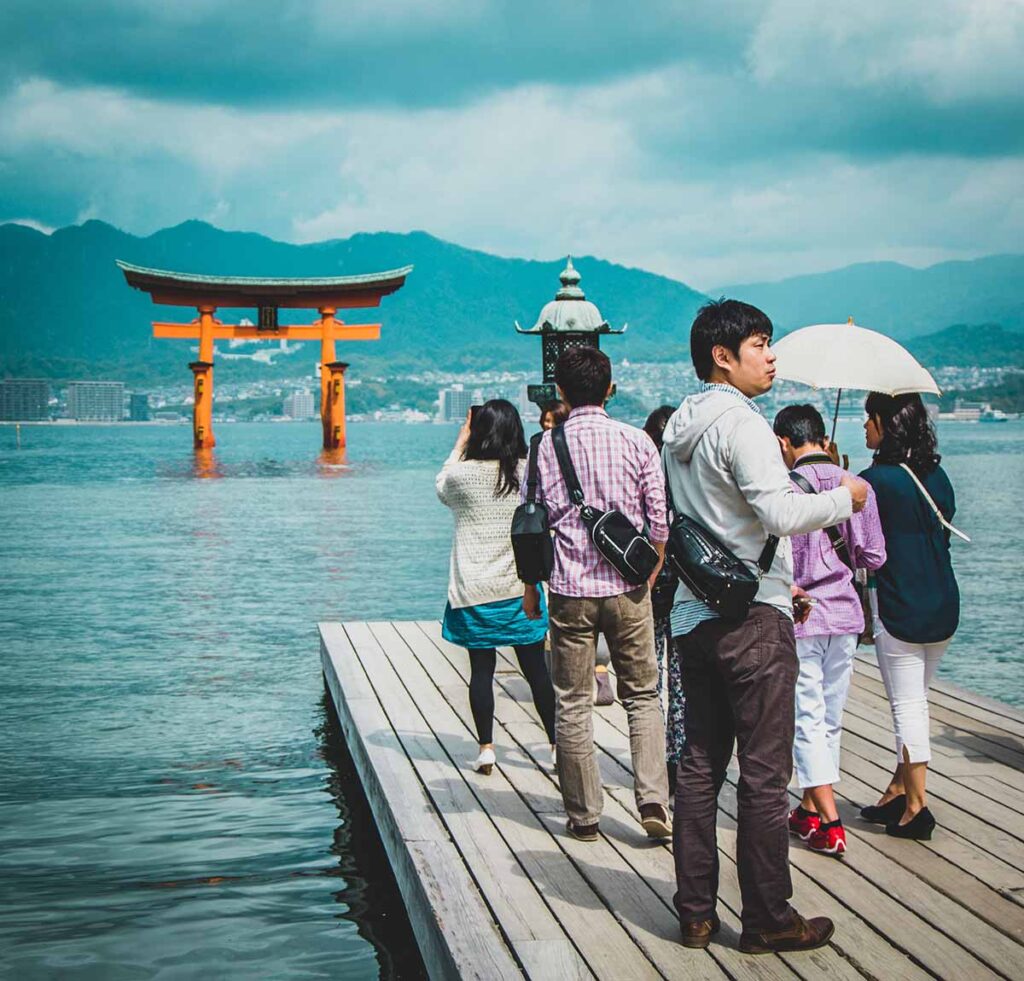
Wondering what to see during a trip to Japan? Check out this article:
Top 10 Japan Attractions (And Extra 5 Off The Beaten Path)
Once you know what you want to visit, it’s easy to estimate the costs for this part of your trip. Most attractions cost between 100 and 1,000 yen, and only theme parks or very popular spots (like Ghibli Park or museums such as teamLab) have higher prices (usually starting from 2,000 yen per adult).
Some museums or galleries have free admission days, but it’s not the rule — assume that you’ll have to pay for entry almost everywhere.
IMPORTANT while planning a trip to Japan: Tickets for very popular attractions should be bought well in advance online. This applies to, among others: Ghibli Park, Ghibli Museum, teamLab Planets/borderless, Tokyo Tower, Shibuya Sky, Universal Studios Japan, the whisky distillery in Osaka, Gion Corner, etc. Tickets sell out extremely fast, so you need a bit of dedication and you have to “hunt” for them 😉
For the Ghibli Museum and Ghibli Park, the purchase slot opens at 8–9 a.m. Japan time on the 10th day of the previous month – and it’s worth being ready to buy at that exact time. So if you want to go somewhere in March, wait for tickets on the website around 1–2 a.m. on 10 February.
For other, less crowded places, tickets can usually be booked about 2–4 weeks ahead. If you’re not sure about your plan, you can always try booking 1–3 days before, but you risk that there will be no availability left.
6. Accommodation – DIY Trip to Japan
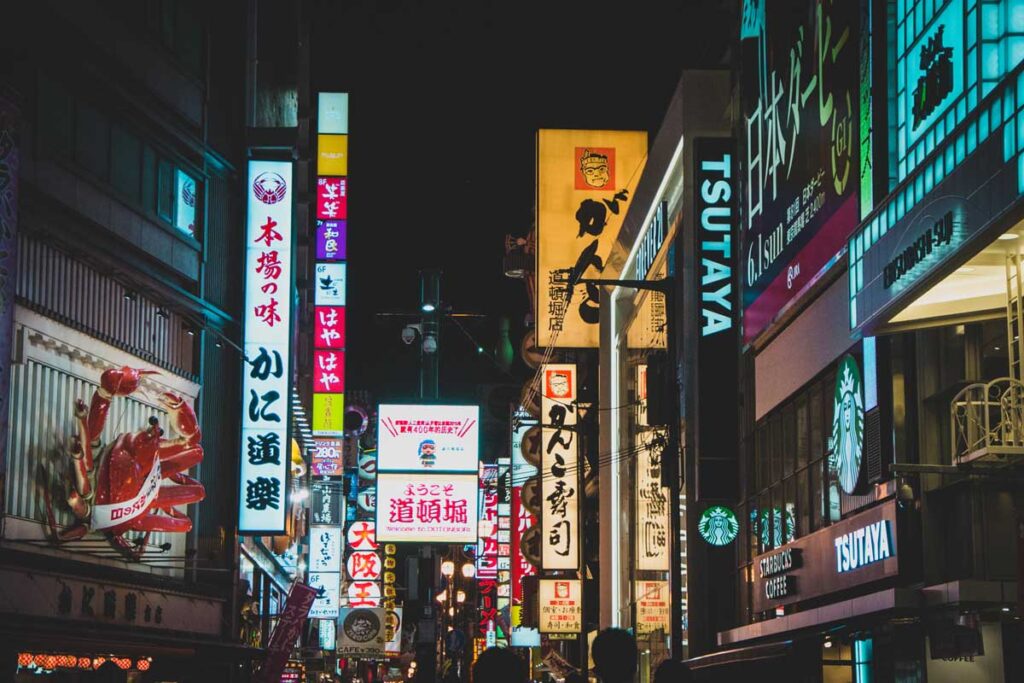
Types of Accommodation
Planning a trip to Japan, you’ll come across several types of accommodation — both the ones you know from other countries and those that are typically Japanese. They vary in comfort and price.
- Hotel / Hoteru – the most expensive and most comfortable option. Usually well located; English and card payments shouldn’t be a problem. Most guests are tourists, so apart from basic good manners there aren’t many restrictions.
- Youth Hostel / Hosuteru – a cheaper option familiar from other countries, especially cost-effective for solo travellers.
- Guesthouse / Gaijin House – rather low comfort: shared rooms, Spartan furnishings, shared bathroom in the corridor. The guest mix is international, so English communication is usually possible.
- Ryōkan / Inn – traditional Japanese inns are called ryōkan. This is a real experience of Japanese lifestyle: sliding walls instead of doors, futons instead of beds, and low Japanese tables where you eat sitting on the floor. There is usually access to a bathhouse (sentō) or an onsen (hot springs). Rooms are covered with tatami mats. I recommend booking ryōkan rooms well in advance and being prepared for higher prices.
- Minshuku / Japanese B&B – a good option for budget travellers. Comfort isn’t as high as in a ryōkan or hotel, but it’s fairly comfortable. There are both Japanese-style and Western-style rooms.
- Kapūsuru / Capsule hotel – a type of hotel typical of Japan, originally created for businessmen who didn’t find it worth going home after a long day of work. The “room” is about 1.8 metres long, 1.5 metres wide and 1 metre high — you can’t stand inside; you have to crawl in and fall asleep. Each capsule has a TV, a locker and a futon. Thin walls and often the possibility of smoking. Hotels are usually single-sex — and there are few capsule hotels for women.
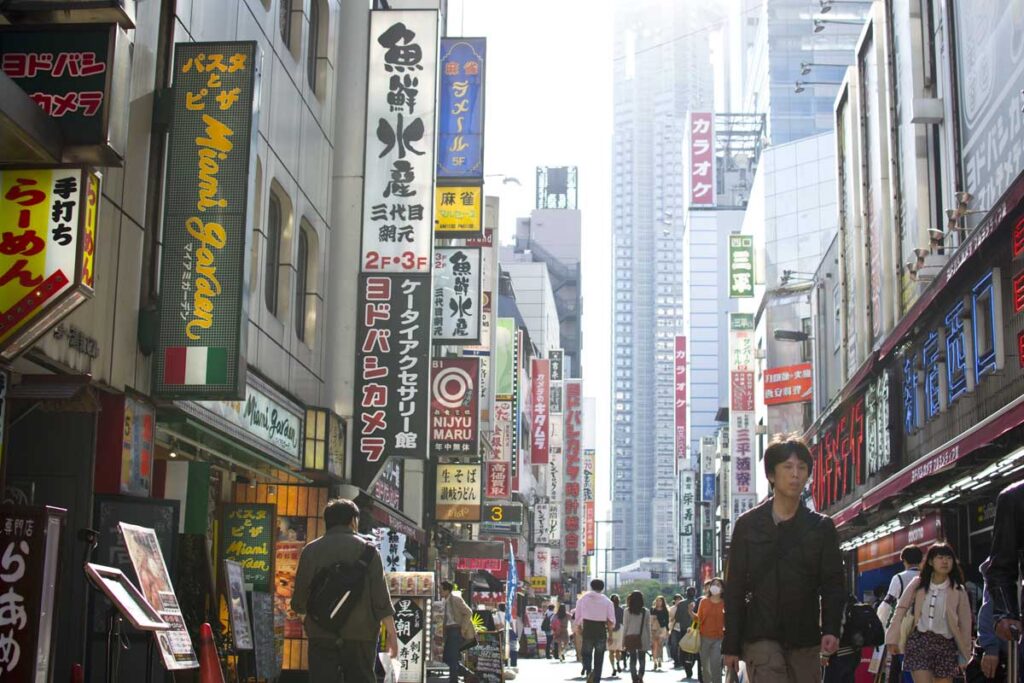
What to Pay Attention to When Booking Accommodation
The best prices are usually found when booking at least a few months in advance. If you’re travelling during a very busy period, it’s better to book even 10–12 months ahead.
Because buildings are dense in big cities, many hotel rooms have windows facing other buildings, or frosted glass. If you want a panorama or a nice view, look for rooms labelled “city view”.
Also pay attention to the location — is there good access to the attractions you want to see, is there a metro station nearby, are there konbini close by (24/7 shops — a bit like Żabka), etc. The last thing you want after a full day of sightseeing is to travel back to your hotel for over an hour.
Some hotels have onsen baths or their own sentō (hot springs / bathhouses). Check whether they differ in price from others — it might be worth paying a bit extra for this unique Japanese experience.
Don’t be surprised that most rooms will be quite small (5–10 m²). If you want a larger one, pay attention to that when booking — unfortunately, it will mean higher prices. The more stars a hotel has, the larger the rooms, the more luxury, and the better the breakfasts.
An important note for non-smokers: don’t book the cheapest rooms – those are smoking rooms. ALWAYS choose non-smoking rooms.
I recommend combining accommodation into longer stays instead of stopping for just one night. Stay longer in one hotel and use it as your base. A few nights in one place is usually better for both price and time.
You can join chain hotels as a member and look for promotions — they’re often advertised.
7. Transport – Japan Trip Planning
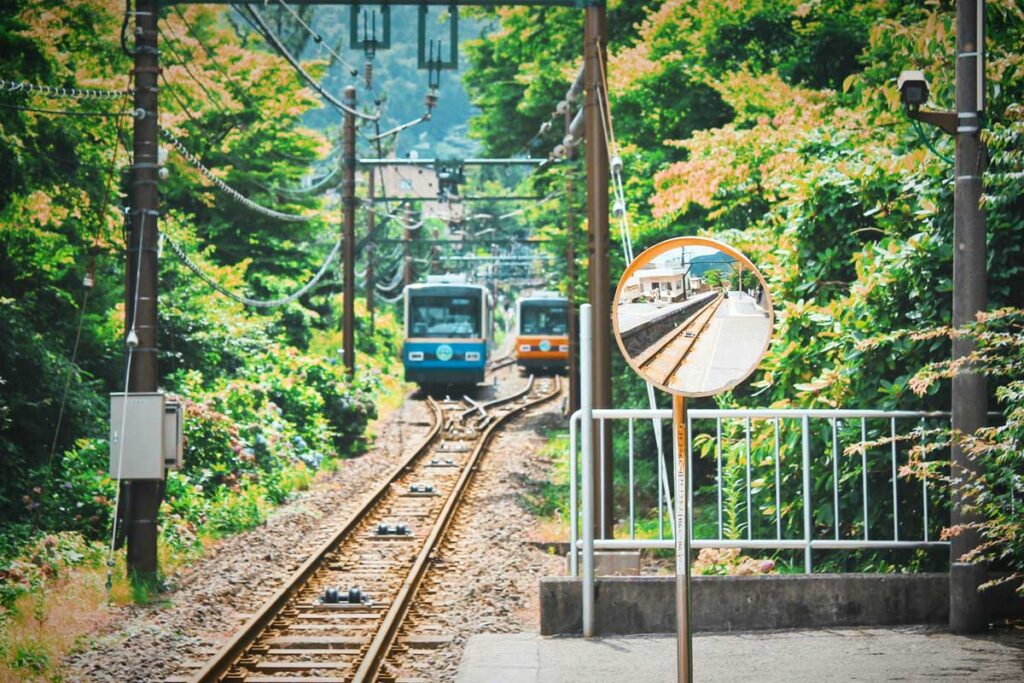
During a holiday in Japan, within cities and between them you can travel by:
- on foot
- by bike (there are many rentals)
- by car (note: traffic is on the left, and some signs differ from European ones)
- hitchhiking (Japanese people don’t know this form very well, so you may wait a long time)
- metro and trains – tickets can be bought from machines or at ticket offices
- bus
- taxis/rickshaws/Uber/Go
JR PASS
Japan Railways consists of six different companies, each covering particular regions of Japan. The JR Pass allows you to use shinkansen trains across Japan (except Nozomi and Mizuno).
To check whether buying a JR Pass is worth it for you, I recommend using the JR Fare Calculator and entering the main cities you want to visit — it will suggest whether the JR Pass or separate tickets are the better option.
There are also passes for single regions only (e.g. JR Kansai Pass). They’re cheaper and offer unlimited travel within a given area.
Renting a car in Japan
If your Japan itinerary focuses mainly on Tokyo, Kyoto, Osaka and other major cities, you probably don’t need to rent a car – the public transport network is excellent. A car becomes much more useful, however, if you want to explore rural areas, smaller towns or destinations that are difficult to reach by train and bus.
It can be particularly convenient in regions such as Hokkaido, the Japanese Alps or more remote parts of Kyushu and Shikoku.
Before booking, remember to check whether you need an International Driving Permit and familiarize yourself with Japan’s left-hand traffic, toll roads and parking rules.
Rental prices and conditions can vary considerably, so it’s worth comparing several companies before choosing a car – you can do this through DiscoverCars.
Also factor fuel, highway tolls and parking fees into your travel budget, as these can noticeably increase the total cost of a road trip.
8. Food During a Holiday in Japan
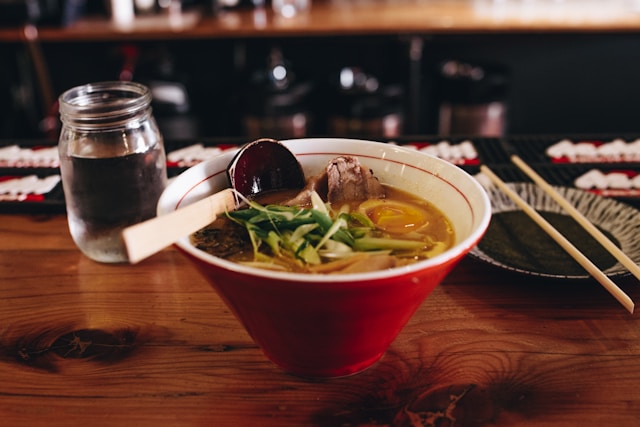
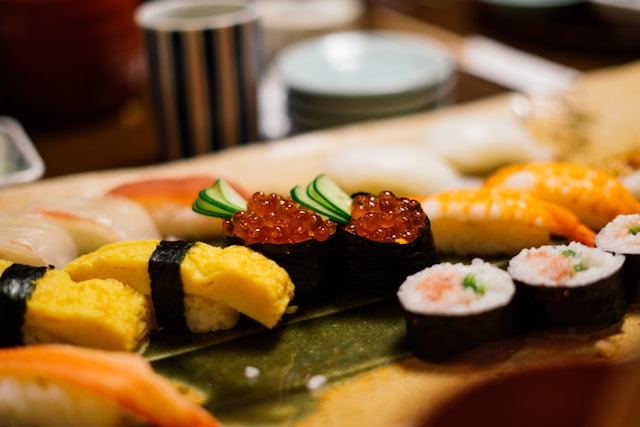
What Should You Try in Japan?
- sushi
- ramen
- onigiri
- misoshiru soup
- gyoza dumplings
- dango / mochi (sweet)
- shabu-shabu – the Japanese equivalent of hot pot known in other countries
- wagyu – optional, because it’s the most expensive beef in the world
- …and many more. Japanese cuisine is incredibly rich, and you’ll definitely find something for yourself.
Worth Remembering
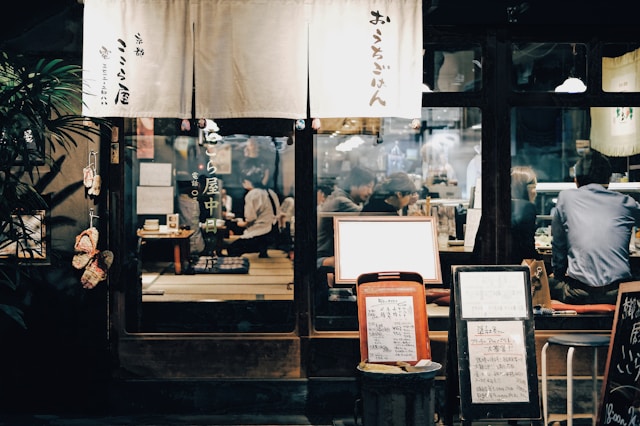
If you don’t want to spend too much on food, I recommend using chain restaurants and konbini (24/7 shops — a bit like Żabka, but with more ready-to-eat food).
Popular conveyor-belt sushi chains include: Sushiro, Kura Sushi, Kappa Sushi, Hama Sushi, Uobei, and Genki Sushi.
In most places, ramen will cost 750–1,500 yen, and the portions are really big. I also recommend topping up with onigiri or ice cream from konbini, which you can find from 120 yen each.
In restaurants, water and green tea are usually served for free (tap water). Alcohol in restaurants is expensive — keep that in mind if you’re travelling on a budget. It’s cheaper to buy beer in a konbini or from a vending machine.
If you want to try different specialities, be prepared for expenses: a kaiseki ryori dinner or a visit to a starred restaurant can cost from 3,500 yen per person. Wagyu beef prices start from 2,500 yen for a lunch with one wagyu dish; but it’s over 8,000 yen if you want a tasting menu with wagyu.
9. Vaccinations Before Planning A Trip To Japan
No vaccinations are legally required before arriving in Japan.
However, it’s worth checking the list of recommended vaccinations here and assessing your travel plan against potential risks. If you plan, for example, to sleep in a tent, it’s worth getting vaccinated against Japanese encephalitis. Want to try street food wherever your heart desires? Consider vaccination for Hepatitis A, Hepatitis B, or typhoid fever.
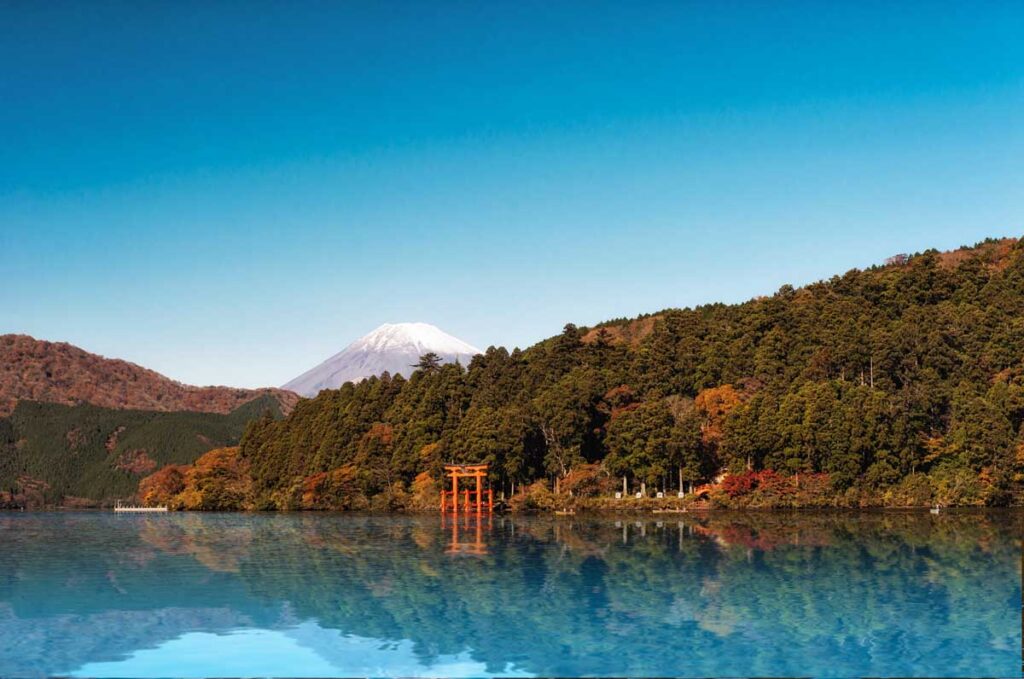
10. Why Is It Worth Planning A Trip To Japan?
Because everyone will find something here. For fans of metropolises, Tokyo or Osaka will be a huge attraction; adrenaline lovers will have lots of fun visiting theme parks; and history enthusiasts can explore remarkable landmarks such as castles, Buddhist and Shinto temples, bridges and old buildings. Those who love peace, relaxation and greenery will find landscapes full of natural wonders — from the Fuji-san volcano and hot springs (onsen) to picturesque forests, lakes and coastlines.
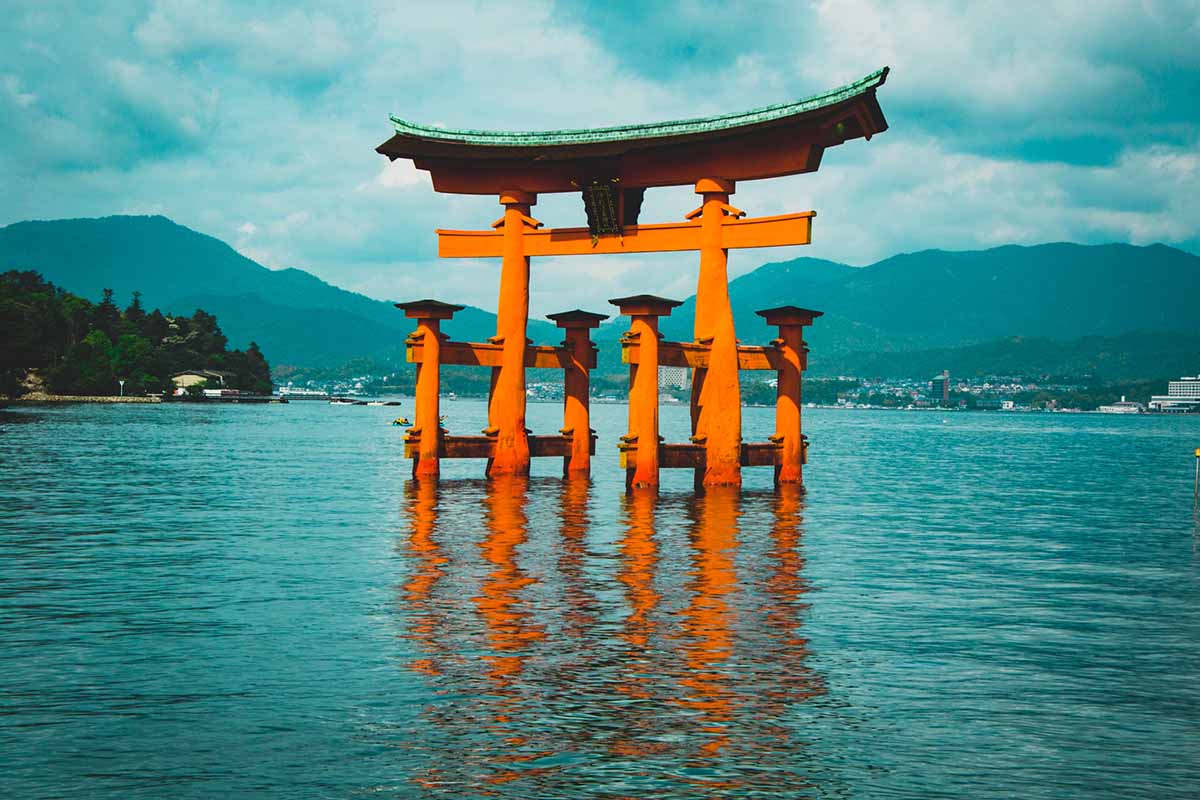
To see unique views and places. History lovers can visit extraordinary landmarks such as ancient castles (e.g. Himeji Castle), Buddhist and Shinto temples (e.g. Fushimi Inari Taisha with a thousand torii gates in Kyoto), golden temples, torii gates standing in water, the Atomic Bomb Dome, and other UNESCO World Heritage sites.
To not worry about safety and hospitality. Japan is one of the safest countries in the world, with very low crime. Order, cleanliness and the politeness of its residents make travelling around Japan pleasant and comfortable. The Japanese concept of hospitality (omotenashi) is a special part of the visit. Japanese people are known for their courtesy and attention to detail, which makes tourists feel welcome and cared for at the highest level.
For the food and food culture! If the previous reasons haven’t convinced you, this one should — Japanese cuisine is unmatched both in terms of ingredient freshness and preparation techniques. You’ll find a huge selection of delicious fish (in sushi and beyond), the best beef in the world (wagyu), one of the world’s most famous soups in thousands of variations (ramen), unique rice-flour desserts (mochi and dango), unique haute cuisine (kaiseki ryori), and the highest number of Michelin-starred restaurants (Tokyo has the most, as many as 211!). Apart from Michelin-starred restaurants, you can also eat lots of Japanese street food, which is delicious.
To tick items off your bucket list. Japan has been on my bucket list since I was 15. Six years later I managed to fulfil that dream, but the trip left me wanting more. Next year I’m returning to Japan with a new list of smaller things to do, like eating fresh sushi at Toyosu or attending a sumo match.
I think I don’t need to convince you any longer 🙂 Start planning your trip to Japan today!
Check also:
Top 10 Japan Attractions (And Extra 5 Off The Beaten Path)
All You Need To Know To Organize A Trip To Thailand