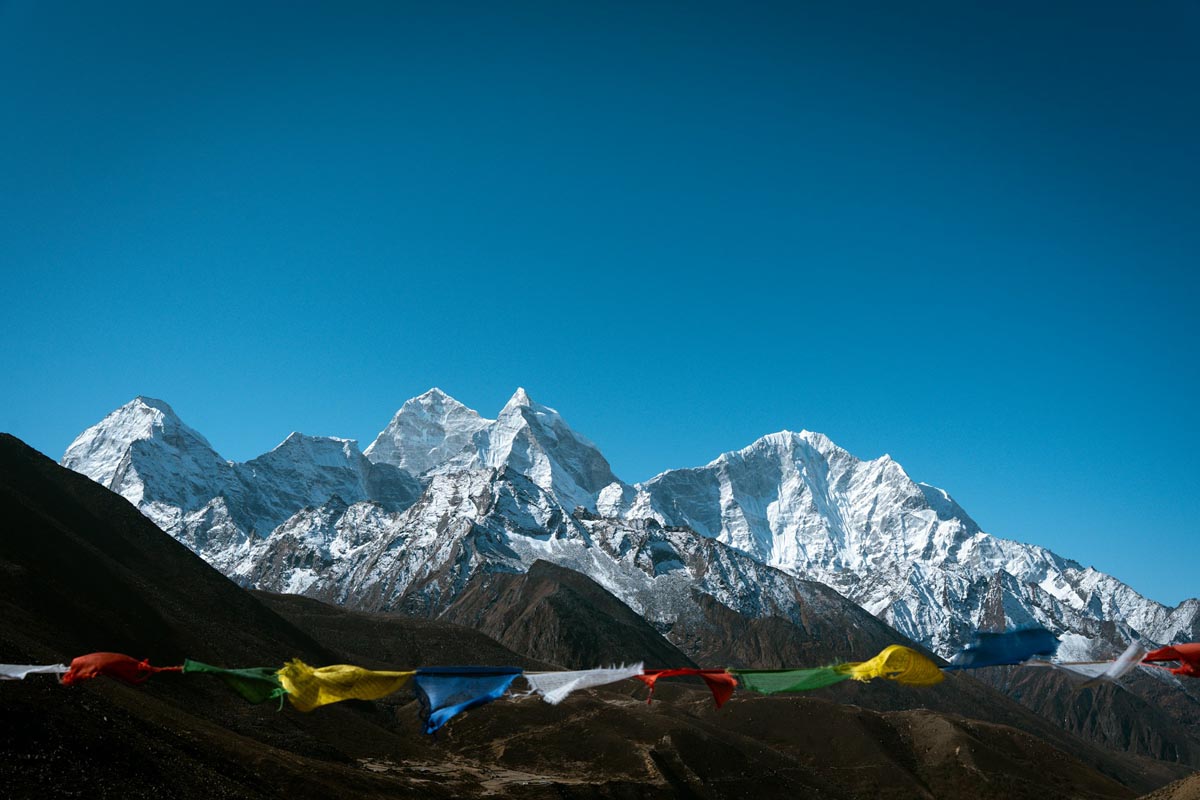
Everest Base Camp trek (EBC) is one of the biggest dreams for all mountain-lovers out there. It doesn’t get real until you’re actually there walking between stone walls, yaks strolling past like they own the trail (they do), and those giant Himalayan peaks showing up in the background.
But Everest Base Camp Trek preparation is what makes it enjoyable instead of exhausting or stressful. The good news? You just need a smart plan, realistic expectations, and the right gear.
Below is my practical guide on how to prepare for Everest Base Camp trek with the most important things you should decide and do before and after you land in Nepal.
Everest Base Camp Trek Preparation – 7 Tips
1. Solo or in a group?
This is the first big question, because it affects literally everything else: itinerary, logistics, safety, cost, and how much you need to plan on your own.
Independent trekking (solo / without a guide)
Some people love doing EBC independently, and yes, it’s possible. The trail is popular, and in peak seasons it will get crowded, so you will not get lost.
Pros
- Greater flexibility in your itinerary (sleep where you want, take extra rest days, change plans on the go).
- Lower cost if you’re experienced, confident, and know how to organize everything yourself.
Cons
- Requires thorough research and self-reliance. You’re responsible for route planning, accommodation strategy, weather decisions, health monitoring… everything.
- Navigational challenges and increased risk in emergencies. Even on well-known trails, weather can change fast, visibility can drop, flights can get canceled, and altitude issues can appear suddenly.
Independent trekking is amazing if you have mountain experience and you enjoy planning. If planning stresses you out, it’s not worth it for those long, high-altitude treks.
Guided trekking (group or private guide)
Guided trekking is the most popular option for EBC, and for many people it’s the best choice as it requires the least Everest Base Camp Trek preparations.
Pros
- Professional guidance = more safety and smoother logistics (especially at altitude).
- Cultural and historical insight from a local guide. This adds so much depth to the trek.
- Help with permits, accommodation, and emergencies. If something goes wrong, you’re not alone.
Cons
- Higher cost than independent trekking.
- Less flexibility in adjusting the itinerary (especially in larger groups).
If it’s your first big high-altitude trek, I’d totally recommend doing Everest Base Camp Trek with a guide.
2. Choose your dates
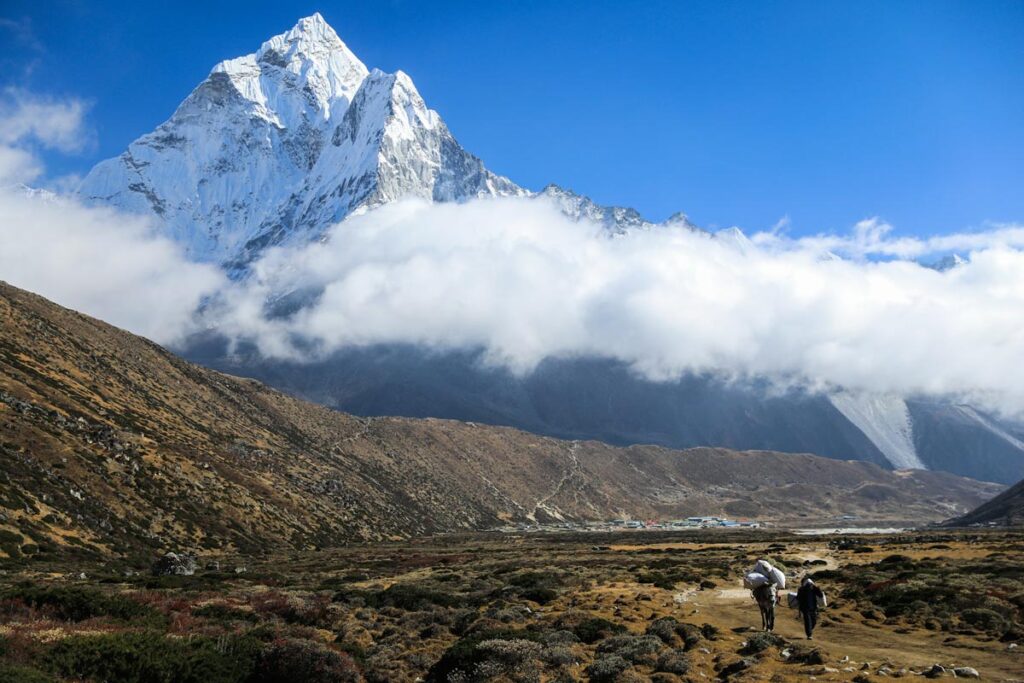
Timing matters a lot in your Everest Base Camp Trek preparation. You want the best balance of stable weather, clear mountain views and comfortable temperatures (as much as that’s possible in the Himalayas)
The most recommended trekking windows are:
- Spring: March to May (warmer, often good visibility)
- Autumn: September to November (stable, crisp air, very clear views but also very popular and crowded)
These are widely considered the prime seasons for Everest Base Camp.
Can you trek in winter? Yes, winter (December to February) is doable, and some people actually love it because the trails are quieter. But well… it’s cold (especially mornings/evenings and at higher villages), some accommodations may be less comfortable (less heating, fewer open lodges), conditions can be harsher if a snowstorm hits. Only choose winter if you are an experienced hiker.
Try not to plan EBC in June to August. This is monsoon season in Nepal with higher chance of rain and clouds (and fewer views), muddy trails at lower elevations, flight delays/cancellations (especially to Lukla).
3. Bookings
Flights from home to Nepal (Kathmandu)
Typical routes to Kathmandu go via places like Istanbul, Doha, Dubai, Frankfurt, etc. Give yourself some buffer time. I strongly recommend arriving in Kathmandu at least 1–2 days before starting the trek (Lukla flight).
That extra day in Kathmandu is your safety cushion and time to manage jet-lag, luggage delays, permits and equipment.
Flight to Lukla (the classic start of EBC)
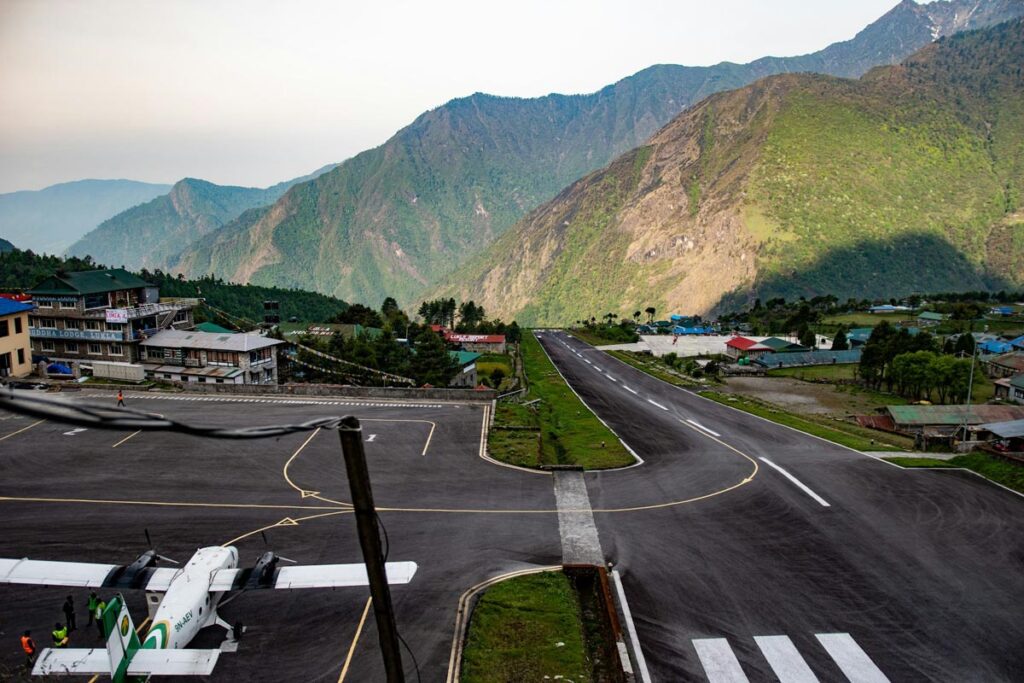
For the classic EBC trek, you usually fly Kathmandu – Lukla. This is the famous short mountain flight with dramatic views and an airport that has a bit of a reputation 😉
A few practical tips:
- Book Lukla flights early if you’re going in peak season (March–May and Sept–Nov).
- Expect delays or cancellations. This is normal. Weather in the mountains decides everything.
- Don’t schedule an international flight home the morning after your planned Lukla return. Give yourself at least an extra day.
If you go with an agency, they’ll usually manage the Lukla flight for you (and deal with the chaos if there is any). If you go independently, it’s still doable—but you really need that time buffer.
Teahouses – accommodation on the trail
Most people do EBC as a teahouse trek, meaning you sleep in small guesthouses along the route (simple rooms, shared bathrooms, a dining area with a stove).
Do you need to pre-book teahouses?
- In high season popular villages get crowded. If you’re trekking with a guide, they’ll book ahead, and honestly, it’s a big stress off your shoulders.
- If you trek independently – online bookings are not common so here’s what you can do:
- try to reach your daily destination early to get a room,
- ask your current teahouse host to call and book your room in the next village for the following night,
- search for teahouses in villages on Google Maps, find their contact numbers, and call/text them directly to ask about availability.
Teahouses offer meals and it’s expected that you eat dinner and breakfast where you sleep as this is where they earn most money.
And one more thing: teahouses are part of the experience. Even if the room is basic, evenings in the dining room (hot tea, food, stories from other trekkers) often become the most memorable moments of the whole trek 🙂
4. Physical preparation a few months in advance
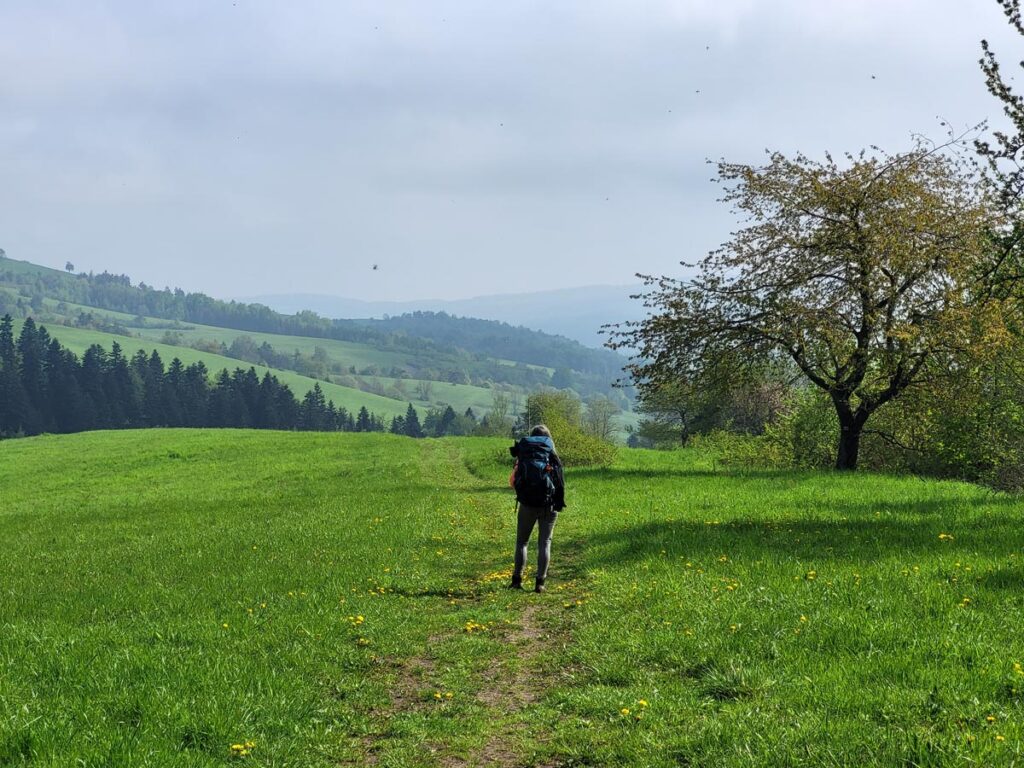
You don’t need to be a marathon runner to complete this hike, but you do need endurance – so work on building it during your Everest Base Camp Trek preparations. You’ll be walking for many days in a row uphill to cover a total of 130 km, and you’ll feel altitude more and more.
Start training at least 3-4 months before, and ideally 4-6 if you can.
1) Cardio
- brisk walking
- running
- cycling, swimming, stair climbing
2) Hiking
- day hikes with elevation gain
- multi-day hikes on lower altitudes
- paths that force you to go up and down (even if it’s in your neighborhood park 🙂 )
- hiking in different weather for your mental training
3) Multi-day hikes (best preparation)
If you can do a few multi-day hikes (3-4 days) at lower altitudes with a backpack, you’ll learn:
- how your body feels on day 3, 4 (trust me, very different from day 1 😉)
- what shoes/clothes actually work for you
- what you thought you needed vs what you truly need
4) Strength training
Focus on:
- legs (squats, lunges, step-ups)
- core (planks, dead bugs)
- back/shoulders (if you carry your own pack)
5. Permits for Everest Base Camp
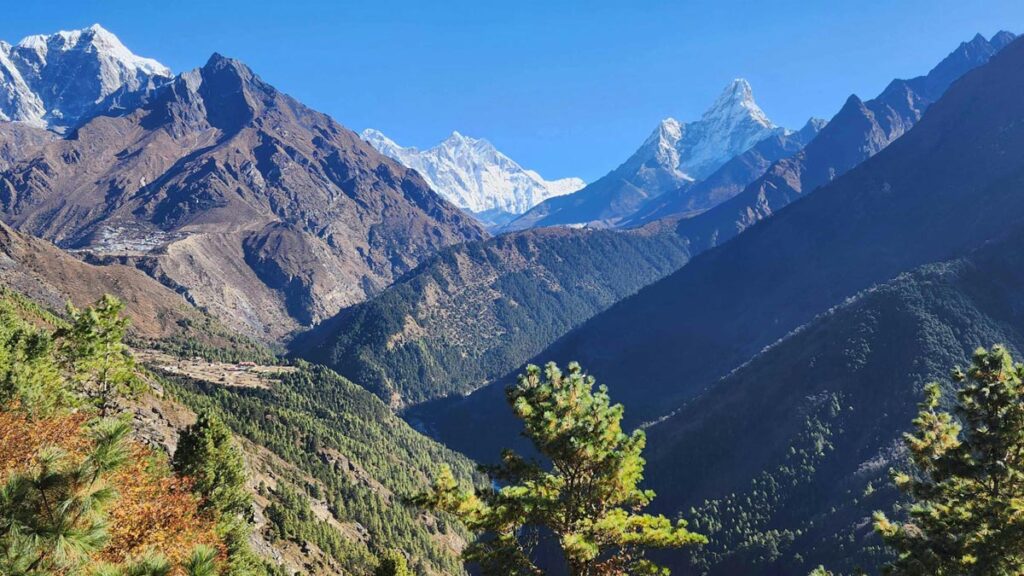
If you’re planning to trek to Everest Base Camp, you need two permits:
1) Khumbu Pasang Lhamu Rural Municipality Entrance Permit
- Cost: around NPR 3,000 per person
- Where to get it: in Lukla or Monjo
2) Sagarmatha National Park Entry Permit
- Cost: commonly NPR 3,000 per person
- Where to get it: Kathmandu (Department of National Parks office) or Monjo (park entry counter)
If you start from Jiri, you will need the Gaurishankar Conservation Area Permit in addition to the others.
To get the permits, you will just need to show your passport. If you trek with a guide, they’ll usually handle it for you.
6. Acclimatization
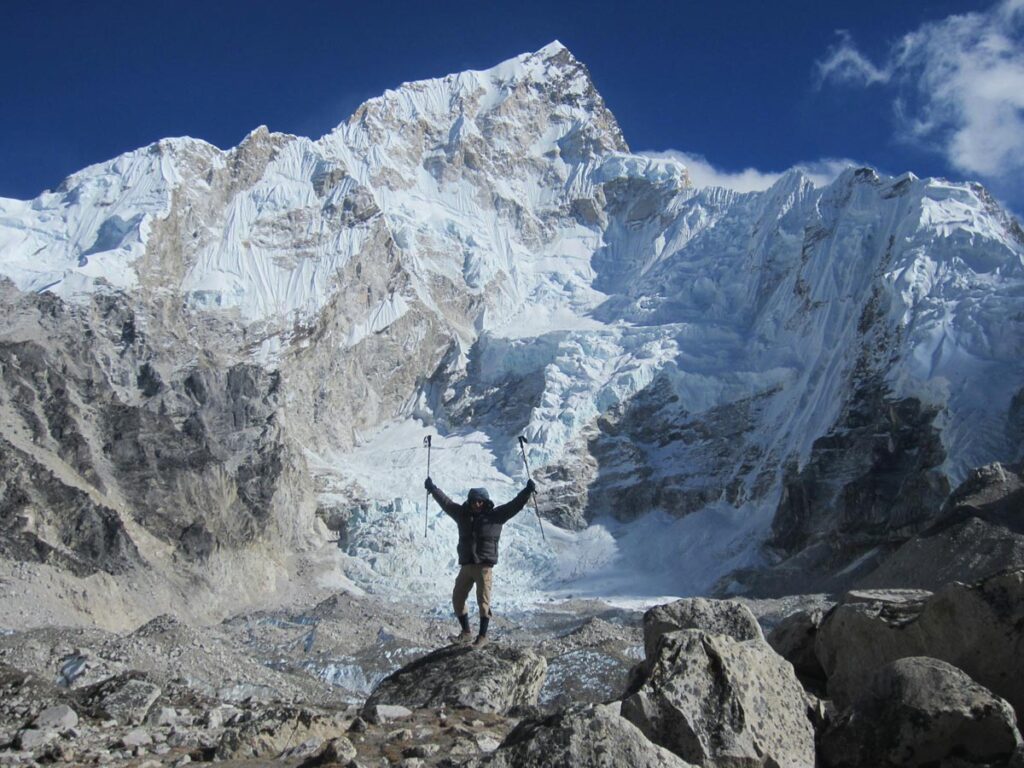
Altitude is the main challenge on EBC, not distance, or technical terrain. On a guided trek, acclimatization days are usually built into the itinerary (especially around Namche Bazaar). If you’re trekking independently, this becomes your responsibility, so take it seriously.
Highest point on the classic EBC route is Kala Patthar (5,545 m), and this altitude is no joke.
Everest Base Camp Trek preparation – acclimatization tips:
- Add acclimatization days (most itineraries include at least one, often two).
- Hike high, sleep low when possible (do a higher hike during the day, come back down to sleep).
- Don’t ignore symptoms like persistent headache, dizziness, nausea, unusual fatigue, or breathlessness at rest.
- Hydrate – make sure to drink minimum 3-4 liters of water every day.
7. Equipment & packing
EBC is a teahouse trek for most people, which means you’re not carrying tents and cooking gear. That’s great news because it makes your backpack lighter.
Your mission: pack the minimum that keeps you warm, dry, and comfortable. The essentials include:
Footwear
- Trekking boots (broken in before Nepal!)
- Light camp shoes/sandals for evenings
Clothes: layers, layers, layers
- base layers (I recommend merino wool — warm, breathable, doesn’t get smelly fast)
- mid layer (fleece, thicker merino, or light insulated jacket)
- Down jacket (for warmth)
- Outer layer (wind + rain protection)
- Gloves
- Warm hat
Weather protection
- Raincoat / waterproof shell
- Sun hat
- Sunscreen
Sleep
- Sleeping bag suitable for expected conditions. Some teahouses have blankets, but don’t depend on them as your only warmth.
Trek basics
- Day pack (this is what you carry if you hire a porter)
- Headlamp (power cuts happen, and early starts are common)
- Power bank (charging can be expensive and unreliable)
- First aid kit
- Water bottle and/or trekking water bladder. I really recommend a bladder because it helps you stay hydrated without constantly stopping.
You can buy or rent some equipment in Kathmandu, and many trekkers do that to avoid flying with bulky items like sleeping bags or down jackets.
If you trek with an organization, you’ll often have a porter who carries part of your equipment. That means you can keep your day pack light (water, snacks, camera, extra layer) and you’ll feel the altitude and fatigue less because you’re not overloaded.
Final thoughts on Everest Base Camp Trek preparations
Everest Base Camp trek is not just about reaching the finish line. It’s about the path, the walking, the tea breaks, the villages, the prayer flags, the evenings in teahouses, and those moments when the mountains suddenly appear through the clouds, and you just stop… because your brain needs a second to process the view.
Remember that EBC is one of the most popular treks in Nepal, so it will get crowded. If you look for alternatives, consider Manaslu Circuit Trek, Annapurna Base Camp or Circuit Treks.
For either of these options, prepare smart:
- decide solo vs guided
- pick the right season
- train your body a few months ahead
- sort out permits and bookings
- take acclimatization seriously
- pack light and layered
And then, once you’re on the trail, let the Himalayas amaze you 🙂
Check also:
The Most Beautiful Trails In Polish Mountains
What To See In Thailand In 14 Days?