
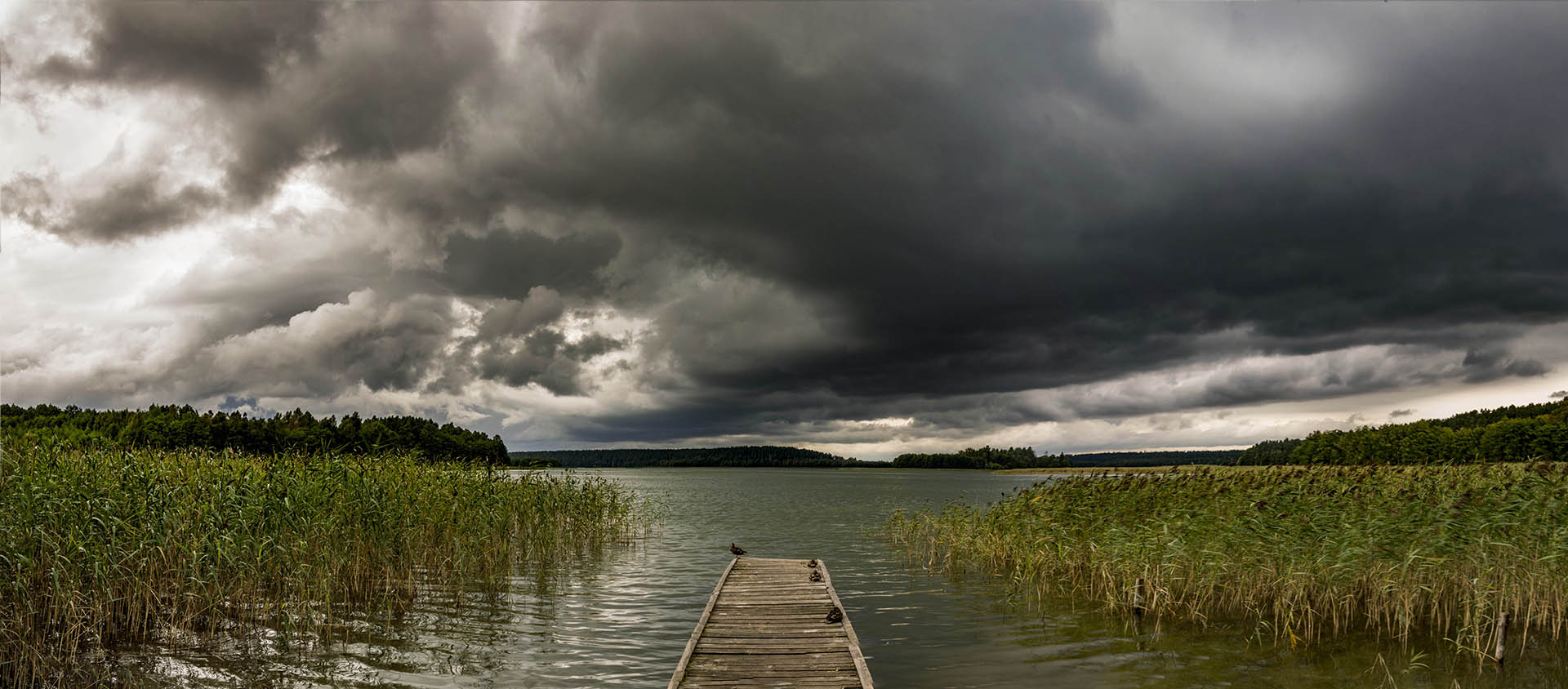
Poland is a diversified country. Here you can find a sea, mountains, lakes and rivers. Here you can eat different dishes in every region and hear different dialects in most of them.
Poland is so diversified and living here my whole life, I know only a small part of it. I’ve been to the north-east of Poland when I was a child. The only memories I have are jumping up and down from joy before riding a horse and kayaking on a lake with my parents. I was five years old, or even less (mum?).
This year I decided to make up for it and we spent one week discovering Podlasie, the region in eastern Poland. And it surprised me so much! It’s interesting, beautiful, empty and different from the rest of the country in many aspects. It enchanted me. So what to see in Podlasie, eastern Poland?
What to see in Podlasie, Northeastern Poland?
1. Wigry National Park

It’s one of the biggest national parks in Poland and one of the most famous attractions of Podlasie region. It is famous for Wigry lake, the fifth deepest lake in Poland. It’s depth in some points exceeds 70 meters!

You can visit Wigry National Park on foot, by bike, by kayak or sailing. We decided to rent bikes in the park’s headquarters in Krzywe and we rode around the whole Wigry lake. The route is around 50 km long and it took us over 4 hours. The trail is more difficult than I expected. We did more than 1000 meters of elevation! If you decide to do this trail, choose a bike with wide tires. Don’t take a city bike or you will end up stuck in the sand many times.

The trail is outstanding. You can see the lake from many perspectives, you ride along wooden paths over wetlands in deep forests.
You can find the trails map here and their description here (Polish only). Either pitch a tent on Jastrzęby campground like we did or find accommodation anywhere around the lake. It’s going to be picturesque no matter what you choose 🙂
2. The Museum of Augustów canal

Our visit to the museum of Augustów canal was spontaneous. We didn’t plan to go there, we didn’t even want to stop in Augustów. The weather was so terrible though that we had to look for some indoor entertainment.
And that’s great!
Even though the museum is old-fashioned and it lacks all the modern, interactive exhibits, the movie about the canal’s history is played on a TV I only remember from my grandma’s house twenty years ago – I learned a lot!
I had no idea how important Augustów canal was supposed to be for the Kingdom of Poland. At the beginning of XIX century to trade with Great Britain and other European countries, the goods were shipped down Vistula river to the Baltic Sea. But when Prussia took this part of Poland they introduced insanely high customs on all Polish goods making trade impossible. Augustów canal was supposed to give the Kingdom of Poland another way to Baltic sea and help it avoid the customs.
The canal was never finished – the Prussians removed the customs and the canal lost its importance. I’m glad I learned its history though. And learning what tools were used to dig 100 km of the channel with 18 locks still shocks me!
3. Biebrza National Park
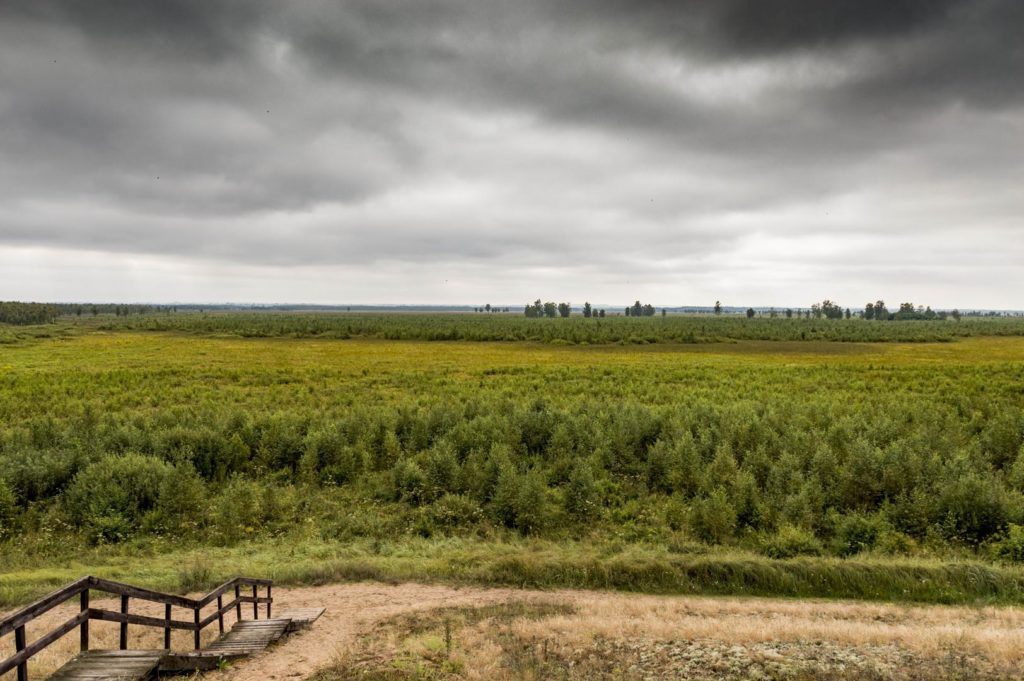
The biggest national park in Poland, it covers the whole length of Biebrza river and the marshes along it. It’s a paradise for numerous species of birds. Unfortunately it’s a paradise for mosquitos too. Every time I stopped to take a picture I had over twenty of them on all parts of my body!
But it’s the only disadvantage of Biebrza National Park we noticed.

Except for this we felt enchanted. It was the most empty place we’ve been to in Poland. We walked along the red trail from Leśniczówka Grzędy along the Red Marsh (Czerwone Bagno) through the dunes to an observation tower and we came back with the black trail. It’s 20 km. For this whole way we met one (!) person. A guy living in the same place we did. He didn’t disturb us long – in his rubber shoes up to his thighs he went to the marshes to watch the birds. We didn’t meet anybody except for him. There’s no mobile signal either. Just us, the forest, marshes and birds.
It’s a perfect place to be with yourself and your thoughts only. Check why I love going to the mountains and such places full of amazing nature. The answer lies much deeper than “because it’s beautiful”! Read the article here.
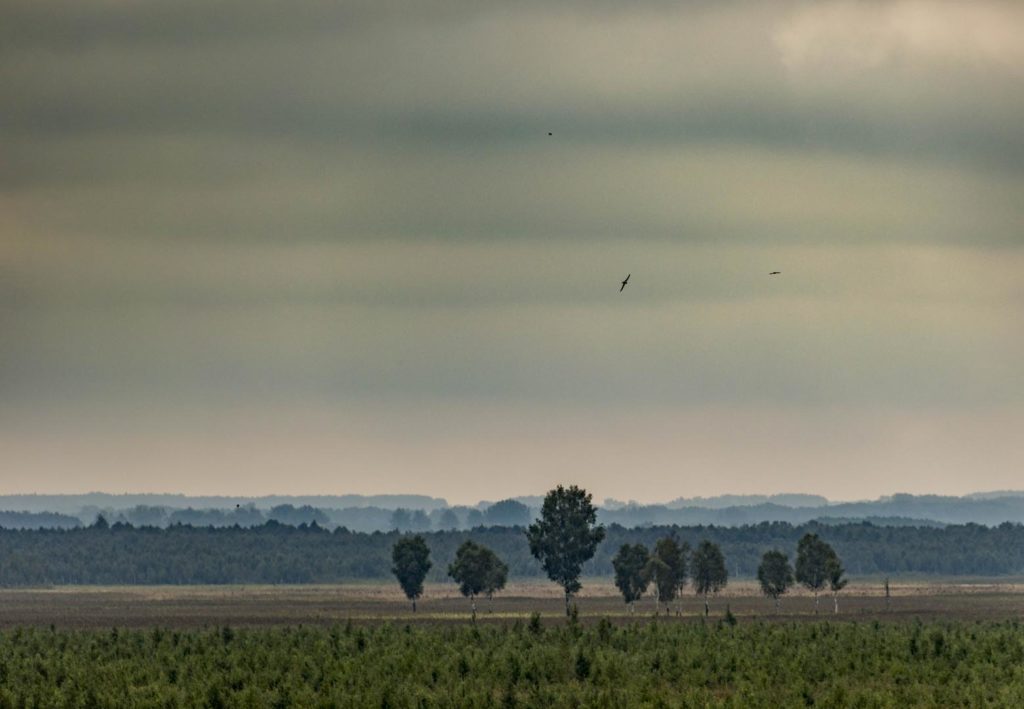
I do recommend the trail – you will see a variety of nature, deep forest, wooden paths above wetlands. You will cross small dunes and you will see typical marshes from an observation tower. An amazing trip. Do take a good insect repellent though!
Map of the trails is available here.
4. The trail of the Tatars

Before going to Podlasie in eastern Poland I had no idea the Tatars live here until now. I knew they appeared here historically. They supported our king John III Sobieski in his fight with the Turks and they received some lands in the east of Poland. But only now I learned what lands. Only now I know that the Tatars are still here and that I can listen to their stories, see their mosques.

In Podlasie there are two touristic trails dedicated to the history of Polish Tatars – The Big Trail of the Tatars (57 km) and The Small Trail of the Tatars (19 km).
Both of them go through a village called Kruszyniany. We visited this one village only but I wish we could spend more time following the Tatars. Unfortunately we haven’t seen a cute wooden mosque in Bohoniki. This little mosque is a religious center of Polish Muslims.
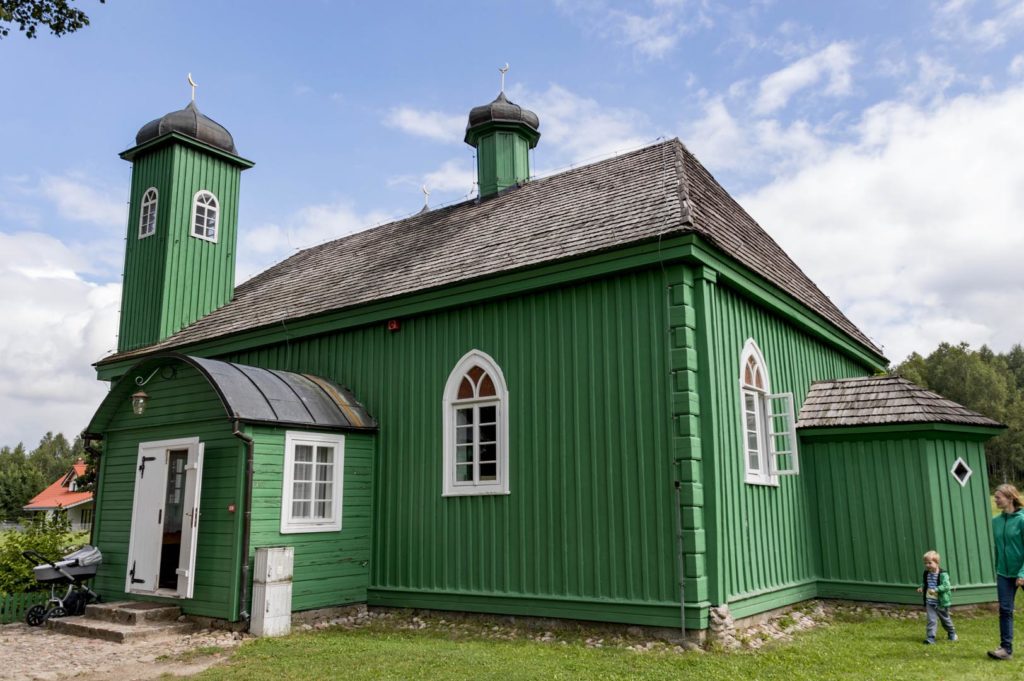
The mosque in Kruszyniany is the oldest Tatar mosque in Poland. It might not be as impressive as the mosque in Saint Petersburg – but it’s beautiful 🙂 It’s made of wood and painted green. You can visit it, the ticket costs 5 PLN. A short history of Polish Tatars told by one of them is included 🙂 You can also visit an old Muslim cemetery nearby and – if you’re tired with all amazing Polish cuisine, try the Tatar cuisine in Tatarska Jurta.
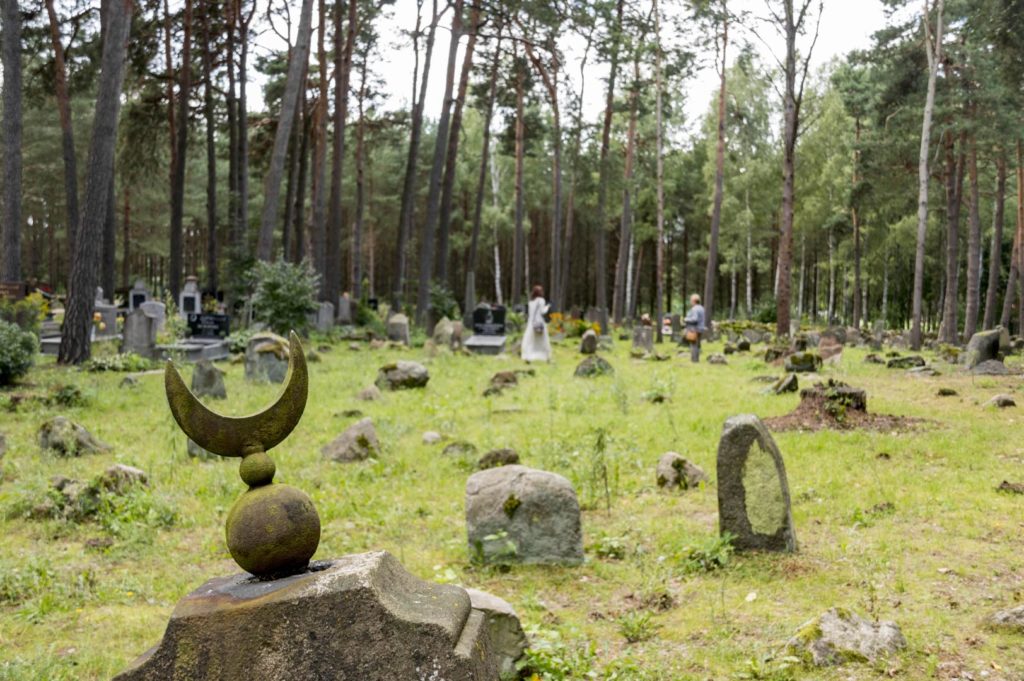
I do recommend you to visit the Tatar area. It’s unique, you won’t find such variety of cultures and religions anywhere else in Poland.
5. Colorful orthodox churches and the Land of Open Shutters

Close to Białowieża Forest you can find four small villages you shouldn’t miss. In three of them you will find amazing orthodox churches with beautiful outside decorations. A week before the trip to Podlasie, eastern Poland we came back from Saint Petersburg and these churches made me wonder – are we still in Russia or did we cross the border with Belarus by accident? 🙂 A few more places which make Podlasie region so fascinating and attractive.
The three villages are Narew, Trześcianka and Puchły.

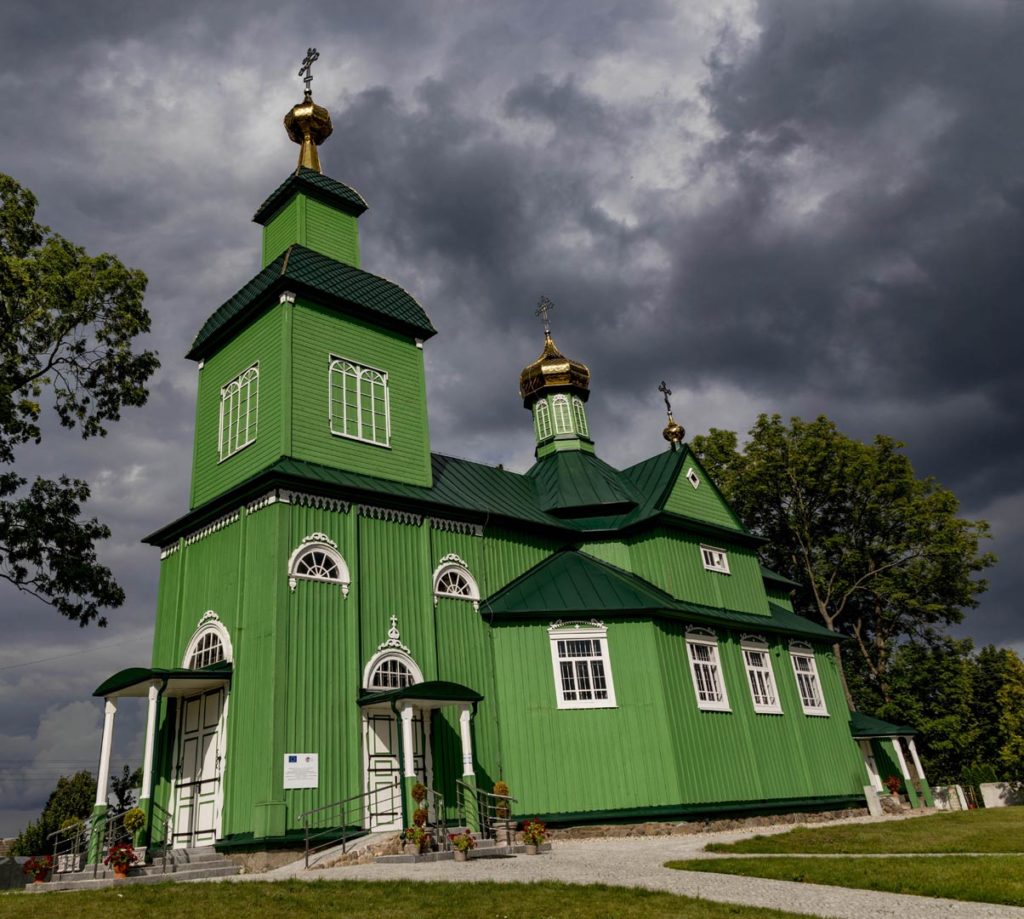
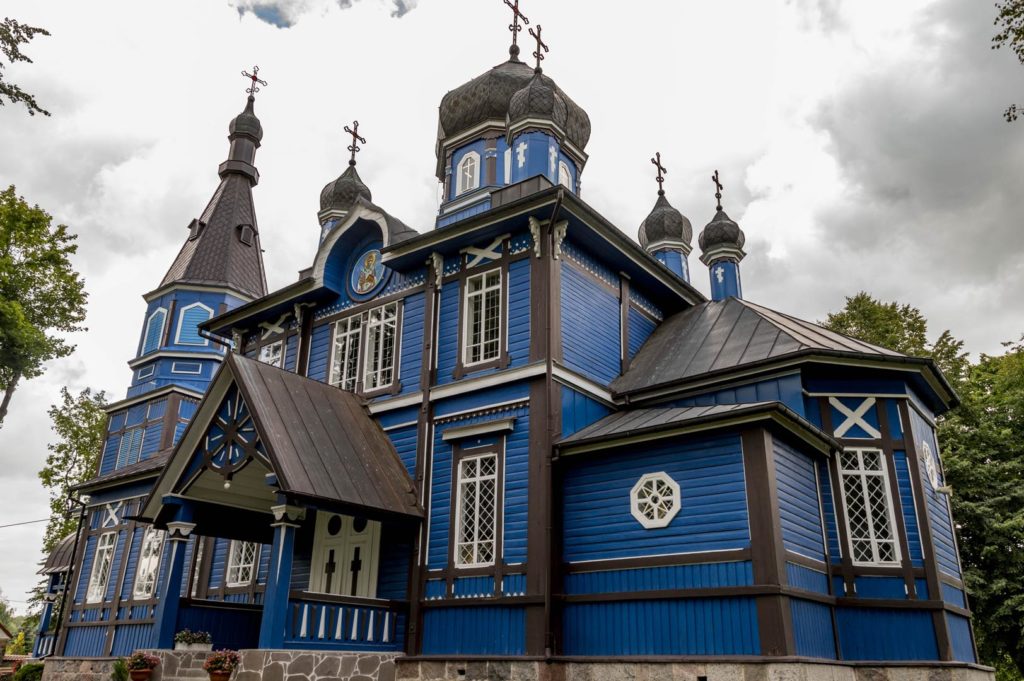
Trześcianka , Puchły and one more tiny village – Soce belong to the so called Land of Open Shutters. In these three villages you can find decorative wooden houses. Their shutters are especially colorful and cute. It’s another sign of Russian influence in Podlasie.

Aside from beautiful houses and churches, in Puchły and Soce I felt like someone sent me twenty years back in a time-machine. In Silesia where I come from it’s tough to find such villages with no asphalt roads, where you don’t hear noise of cars and you don’t see any new houses built. The only people you can see are middle-aged and elderly people taking care of their property, telling stories:
“Kids left, my son studies in Białystok, my daughter works in Toruń, nobody wants to live with us here, at the end of the world…”
6. Białowieża National Park

Białowieża National Park is famous for its primary forest – one of the last forests in Europe which is not influenced by people. I do hope it won’t change despite the careless actions of our politicians. Białowieża Forest is a natural habitat for numerous species of plants and animals and a bison is its most popular symbol.
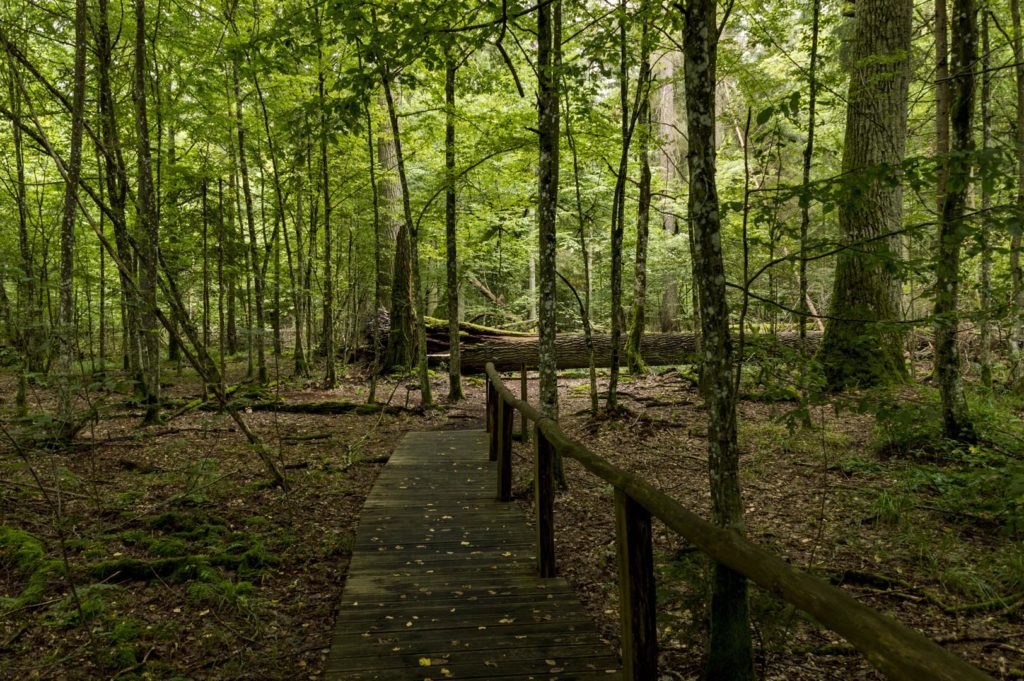
We walked 26 kilometers in Białowieża Forest. The walk starts near bison refuge Kosy Most. We walked along the Wolf Trail (Wilczy Szlak) to Stare Masiewo and we came back through Nowe Masiewo via Saint Eustace trail (szlak św. Eustachego).

The first part of the walk is much more interesting, the Wolf Trail offers great views at the wild, old-growth forest. Walking through the villages of Stare Masiewo and Nowe Masiewo was interesting for me too. For an hour of walking only 5 cars passed us (we counted 🙂 ) and not more than five people. This emptiness fascinated me till the end of our stay in Podlasie.

The last part of the trail was too long though, it seemed to me it will never end. It goes along a wide forest road. A car could easily use it. After the 20th kilometer of walking I need more to keep my interest… 🙂 If I planned the trip again I would make it shorter and turn left before Stare Masiewo.
The map of the park is available here.
We lived in Na Skraju Puszczy (On the Edge of the forest). You can either rent a house there or pitch a tent. We brought a lot of good memories from there – along with a little kitten… 🙂
7. Kayaking, canoeing
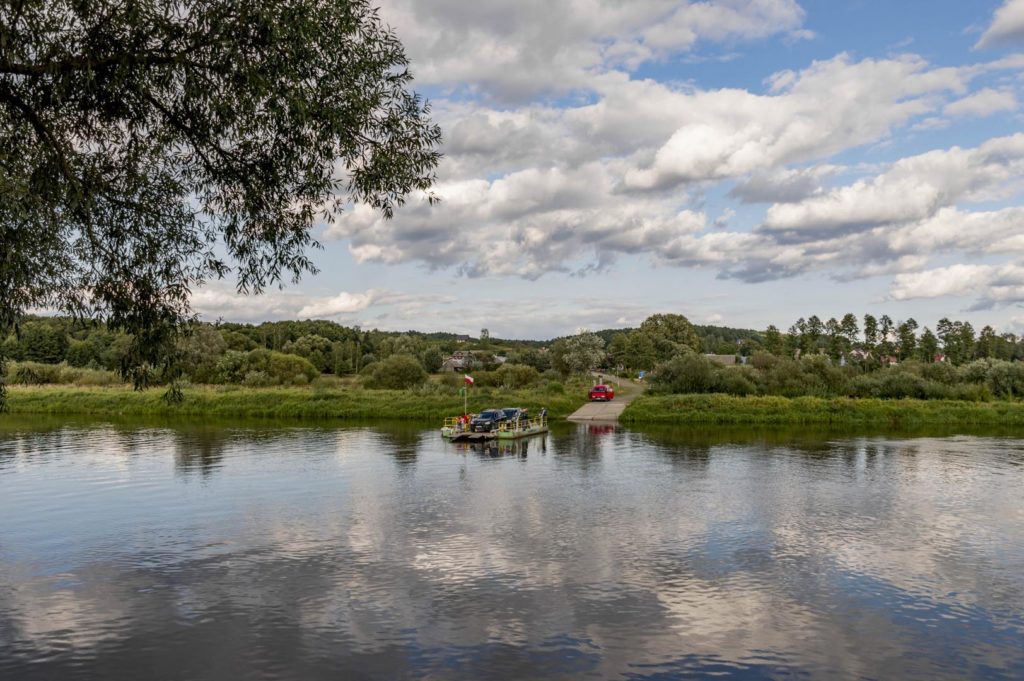
One of the ways to admire the nature of Podlasie is a kayak. We decided to kayak on Bug river on the border of podlaskie voivodeship with mazowieckie and a part of lubelskie voivodeships. We traversed a short part of the river (14 km) from Gnojno to Zabuże. We’ve seen a lot of birds from the boat, numerous herons and storks. I regret I was afraid to take my camera with me. We had a safe, dry place on board and I rarely have such opportunities to see these birds from so close.
Next time however I’d choose another river for the kayak trip. Bug river is wide and it’s straight which makes the trip boring at times. You could spend most of the time doing nothing, just let the water carry you. I prefer winding rivers where I have to do some effort not to end up in the bushes 🙂 I recommend you to check the options of kayaking on Czarna Hańcza, Biebrza or Narew rivers.
Other attractions of Podlasie, eastern Poland
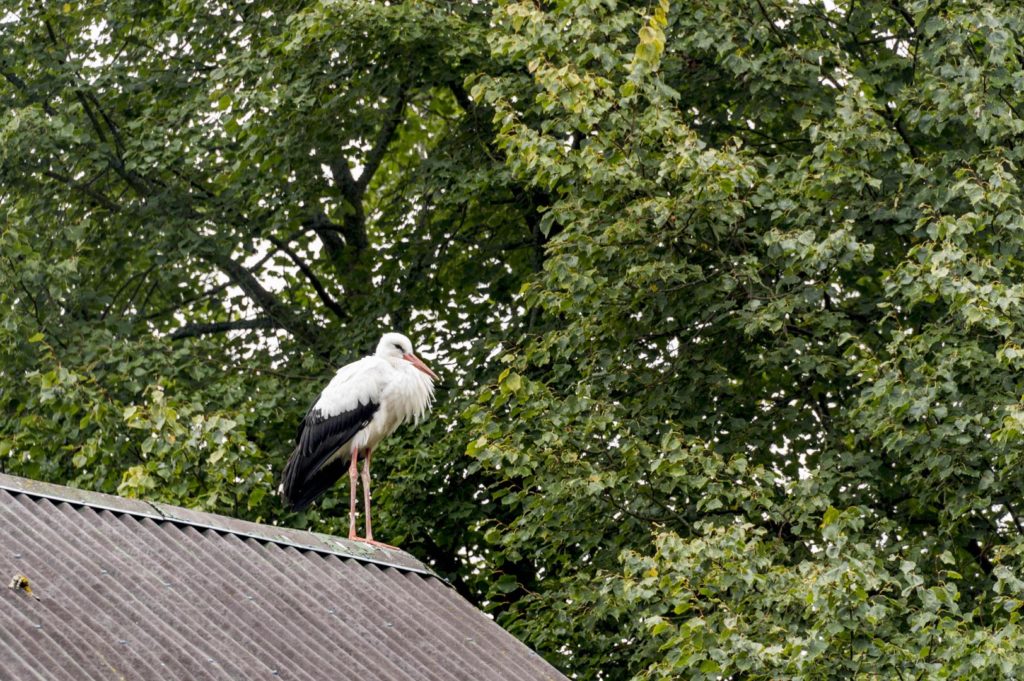
For one week in Podlasie we didn’t manage to see everything worth seeing. Except for the above you might also consider other options.
Narew National Park

Another paradise for birds and animals in Podlasie. The park covers Narew River Valley and the swamps around it. There are no hiking or biking paths in the park itself but you can find them in the buffer zone around the most protected areas. Check the list on the park’s website here. It’s best to visit the park via a water trail – by kayak or “pychówka” boat typical for the area. I want to go back to Podlasie already to do a kayak trip along Narew River 🙂
The Holy Mountain of Garbarka
I regret missing this spot the most. We would stop here on our way if we didn’t have a few-weeks old kitten with us which wandered around our tent in Białowieża, hungry and cold. The choice between the mountain and saving the cat was easy – but unless you have a cat with you too, don’t miss it! 🙂
The legend has it that during an epidemic of cholera people who climbed the mountain with a cross and drank water from the stream there – recovered. To thank the God they built an orthodox church on top of the mountain. Until now the church is surrounded by thousands of crosses pilgrims bring every year. It has to be a magical, unique place.
Supraśl
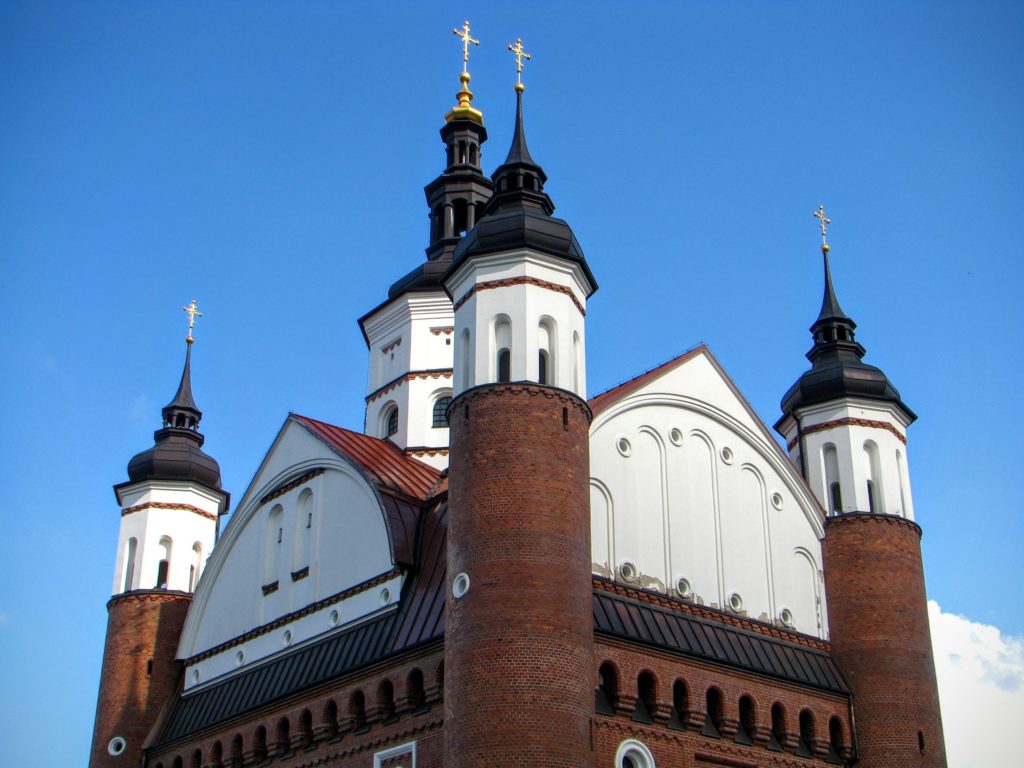
I read about this place only after coming back home. It turns out there is a museum of icons in Supraśl. You can see hundreds of icons there and even try painting them yourself.
Białystok

Cities aren’t usually on top of our to-do list so we skipped Białystok during this trip. If you feel like visiting a city, the capital of the region has a lot to offer. There are a few touristic paths, including Esperanto trail, Soviet architecture and wooden architecture trails or a Jewish trail. I bet you will find something for yourself 🙂
Poland is a diversified country. And Podlasie is one of the most diversified regions in Poland. Here you can meet Catholics, Orthodox, Muslims – or you can meet nobody at all for the whole day. You can see wild nature and a developed city, Soviet architecture and decorative orthodox churches.
It also seems to me people are more tolerant there than in other parts of Poland. They know what cultural diversity is, they are not afraid of it. It’s an important point for me nowadays.
If you want to discover more interesting places and regions in Poland, check the below articles:
- 15 most beautiful trails in Polish mountains
- Full Guide To Katowice, Capital of Upper Silesia
- Visiting Auschwitz. What is it like to see a Nazi concentration camp?
- Visit unique Colorful Lakelets
If you liked this post please use the buttons below and share it on Facebook, Twitter, Google+ or pin it on Pinterest! Thanks! 🙂
Pin it!

Looks beautiful in summer. We have been there in winter – it was nice and very interesting, but also very, very cold.